

For those that haven’t purchased a boat before, a ‘sea trial’ is sort of like a test drive of a vehicle before you buy it. Imagine…you walk into the showroom, the automobile dealer tells you everything about the car, you continue to express interest and then you are invited to take the car on the road to drive it for yourself. It gives you that feeling of the quality of the build, the drivability, your ability to maneuver it, and a chance for you to experience the visibility through the windows and around those usually poorly placed but incredibly important pillars.
A boat sea trial is much more than a automobile test drive
The sea trial serves the same purpose for a boat. The sea trial, however, is typically after you have made a commitment to buy the boat and placed at least a ‘token’ down payment. At least that has been our experience for the last two boats.
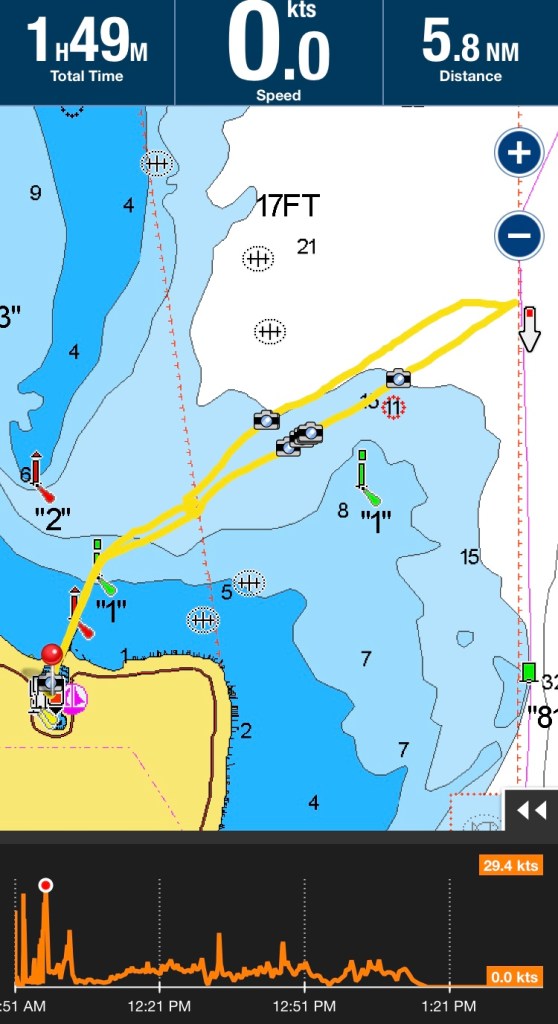
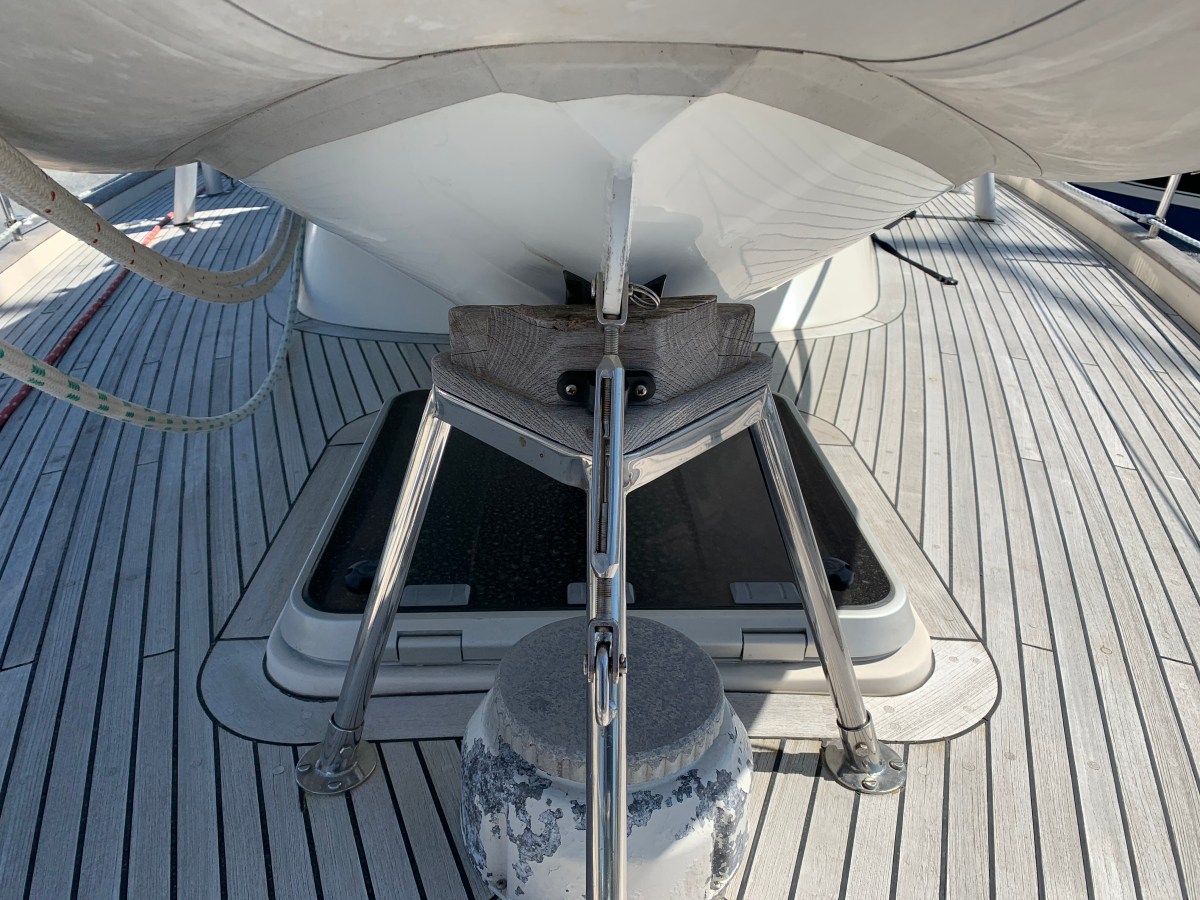
As a prospective new boat owner, you must complete a boat survey in order to receive a binder for insurance and also to receive a loan if you are not paying 100% cash. The boat survey usually includes an on-land inspection and the sea trial. The survey is performed by a qualified and credentialed surveyor that you pay. Rates are usually above $20 per foot. The total process feels like a combination of a house inspector when buying a house and a test drive of that car. The purpose of the sea trial is also meant to provide the surveyor the ability to witness all of the systems functioning while out on the water.
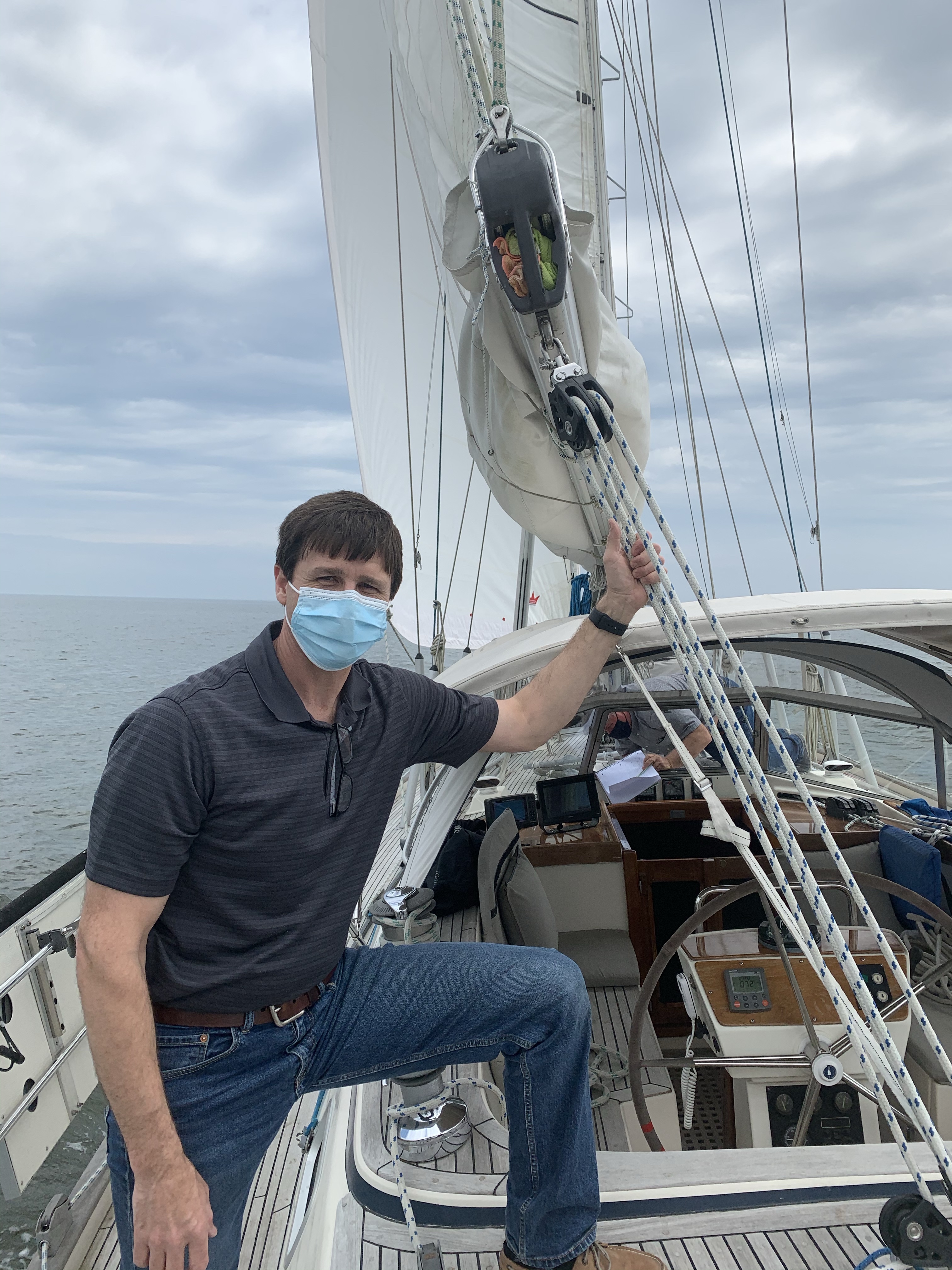
So, a sea trial is serious business. On the boat is usually the current owner, the surveyor, yourself and possibly one or more brokers involved in the deal. Once it is completed. The surveyor writes a report, and that report is submitted to the agencies you are working with to insure and fund the boat purchase.
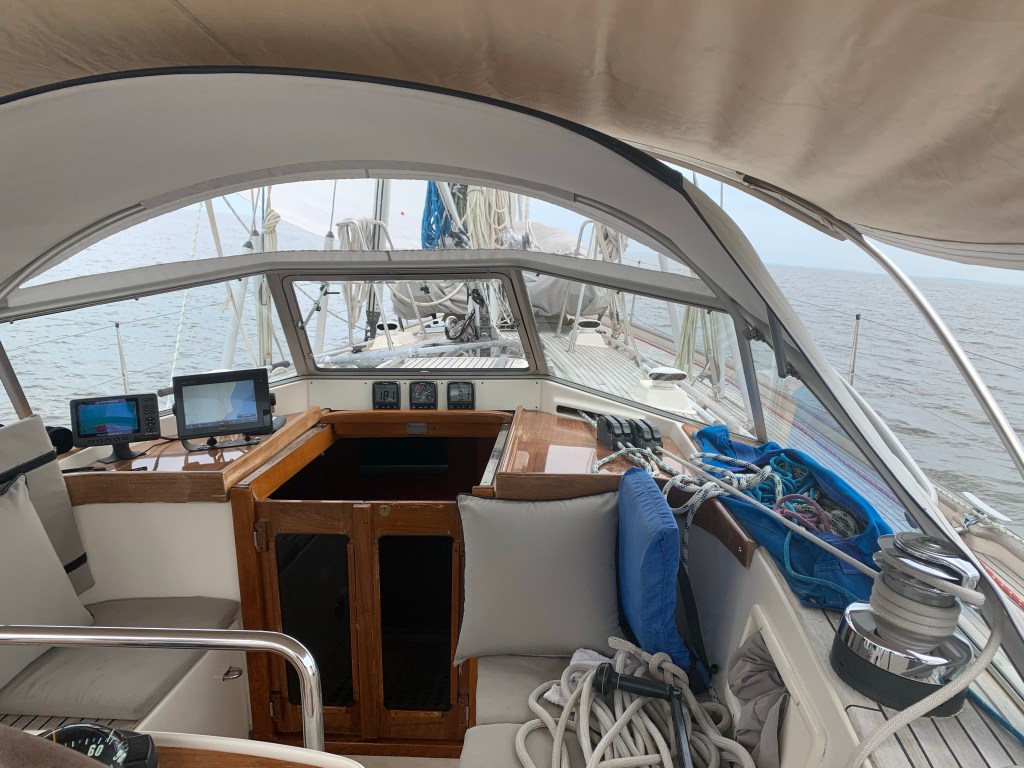
The sea trial for the HR46 went well. The weather was a bit unpredictable in that it hovered from short sleeve weather to light rain and cool weather. This caused us to put up the Bimini. I couldn’t move around the boat easily with the Bimini being up, so that was truly the only downside. That and the fact that the dinghy is current stowed on deck, so you only have 1 square foot to see out ahead! Not the best set up for the Chesapeake with crab and fishing pots sprinkling the waterway.
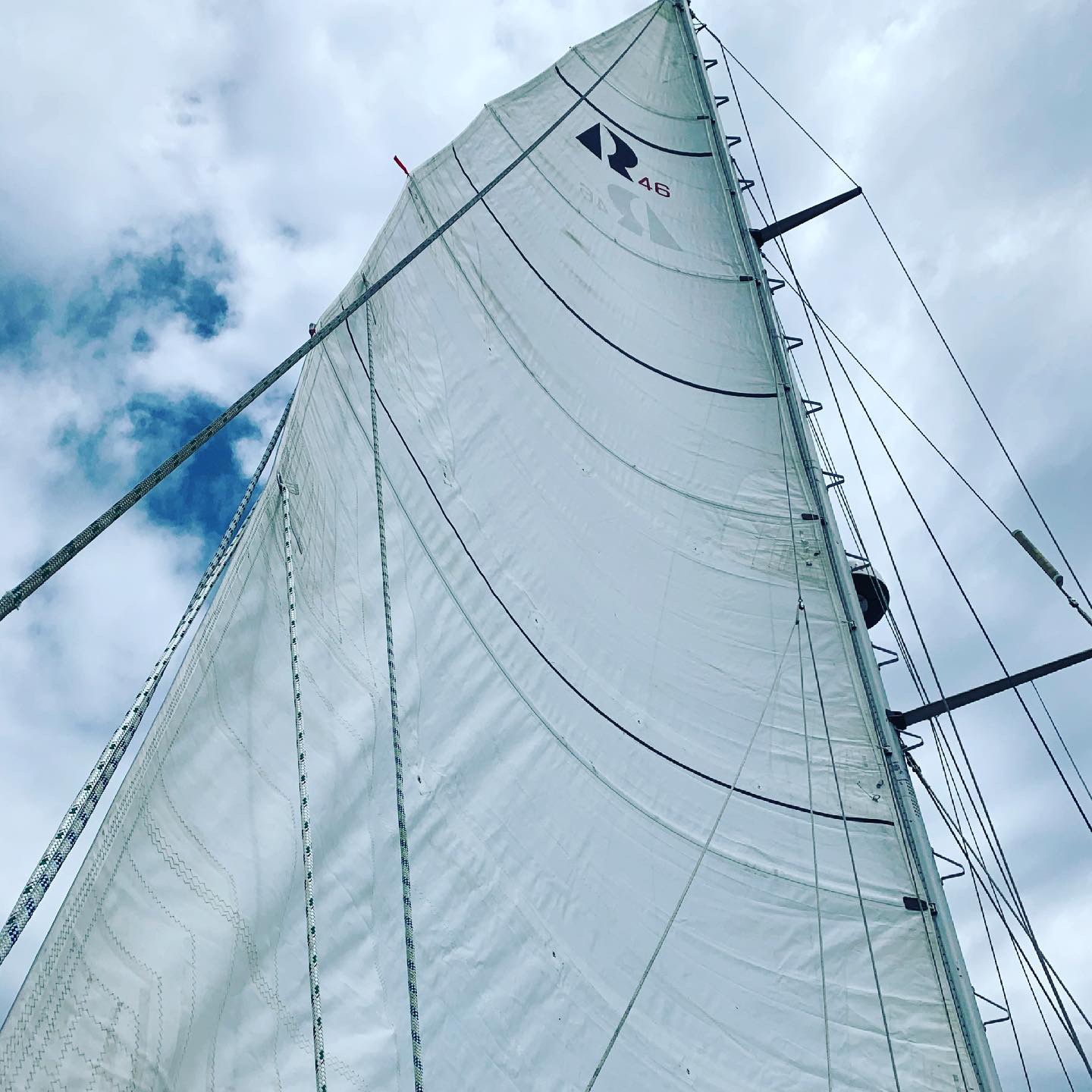
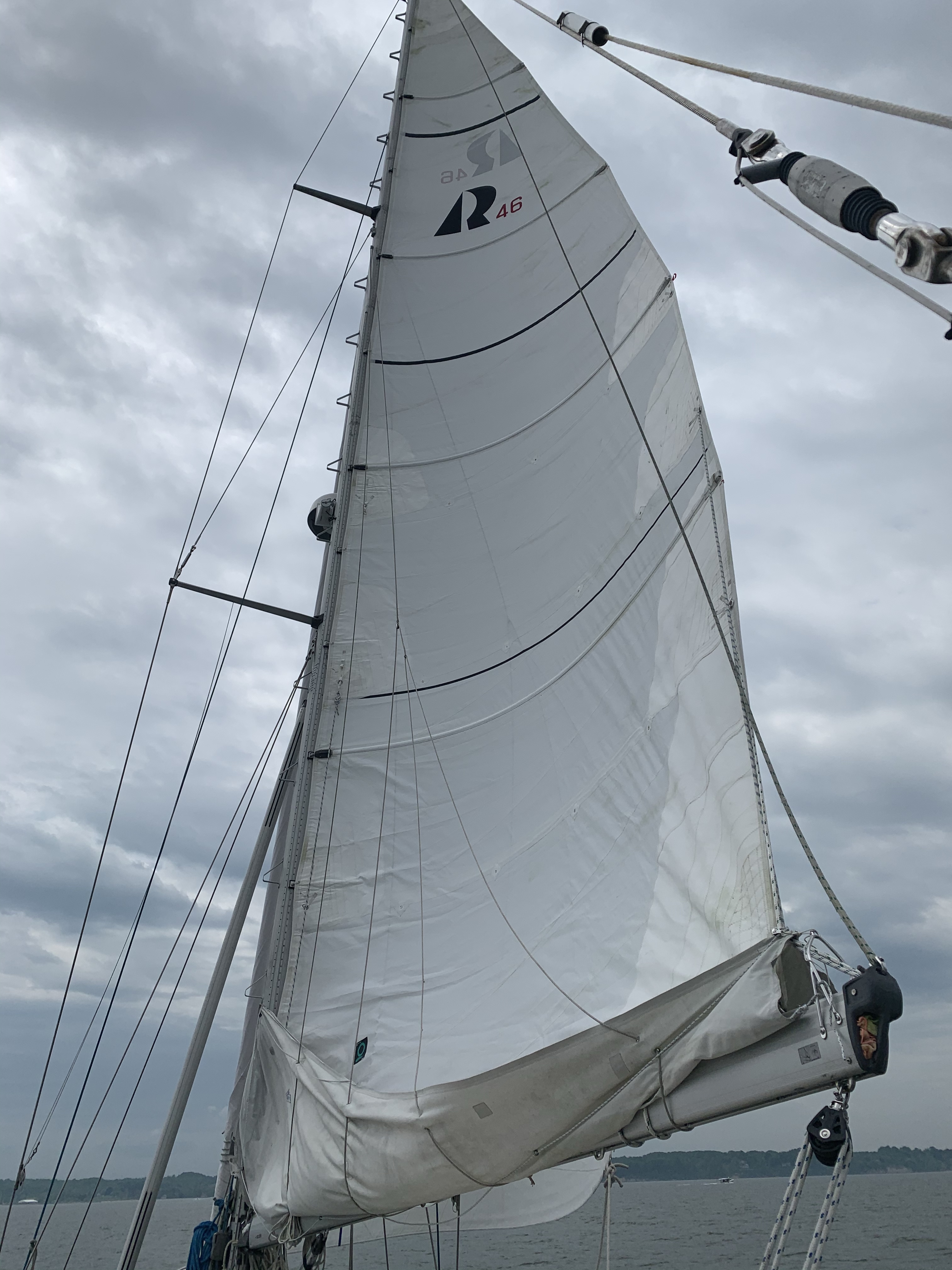
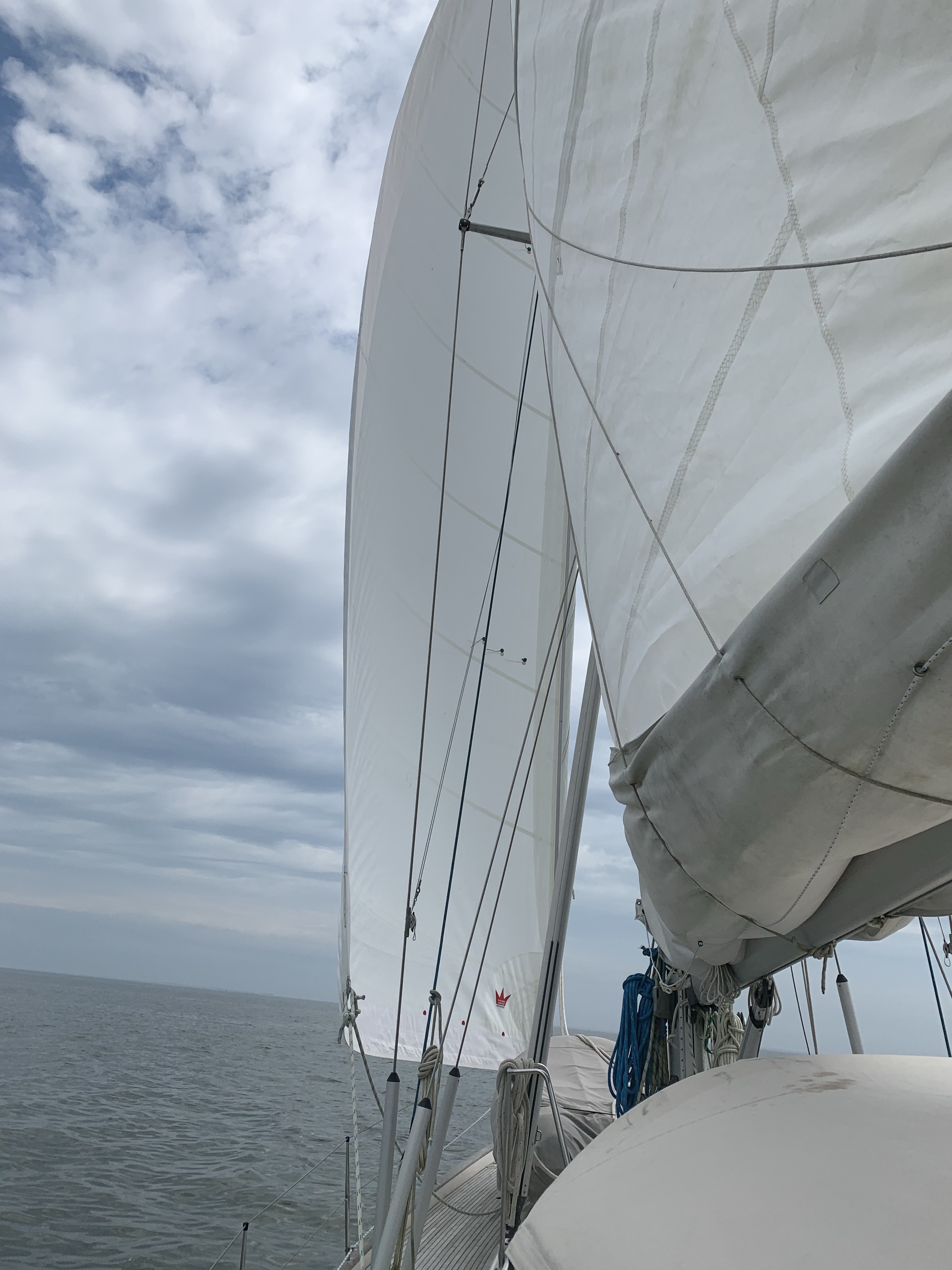
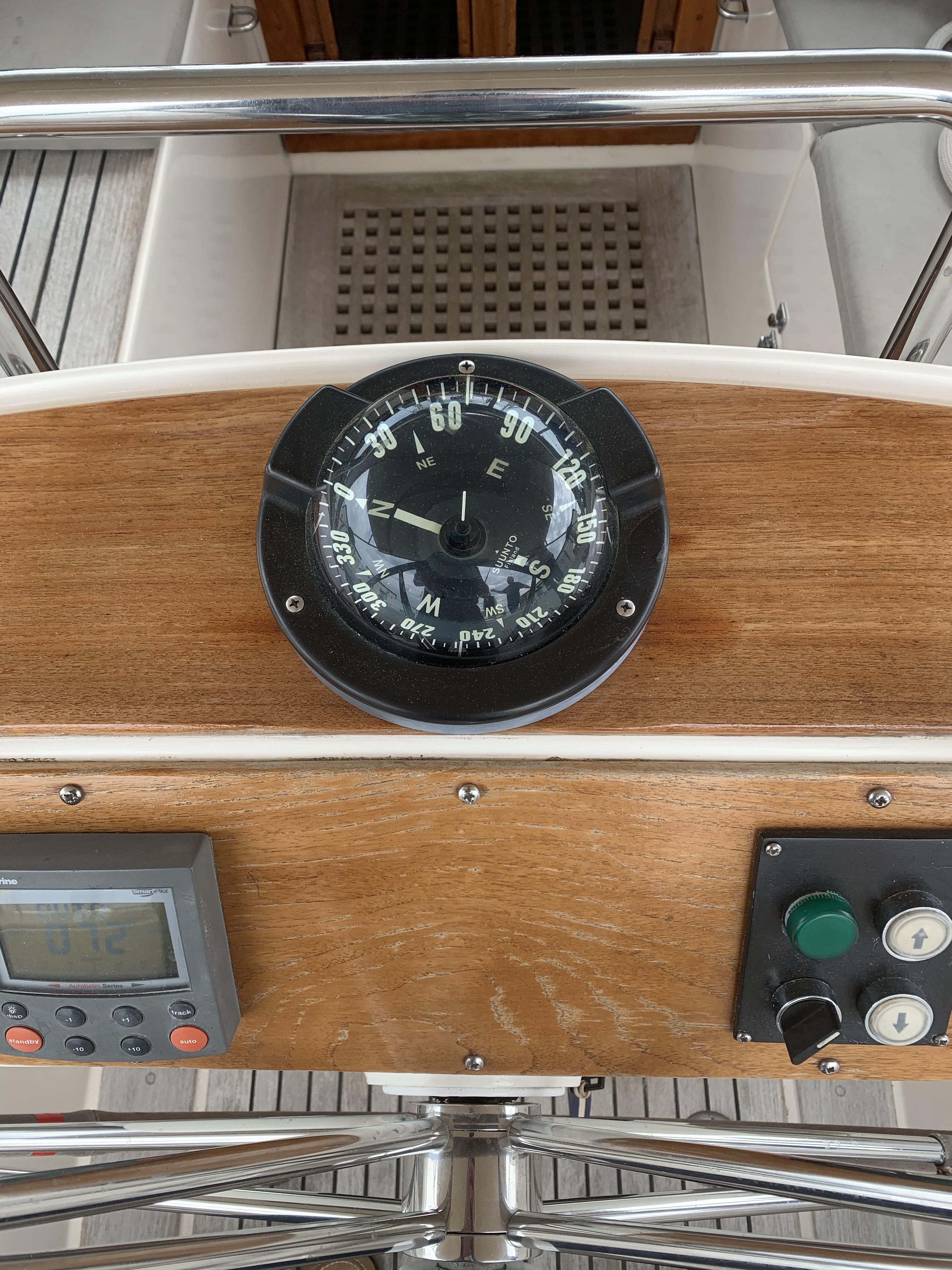
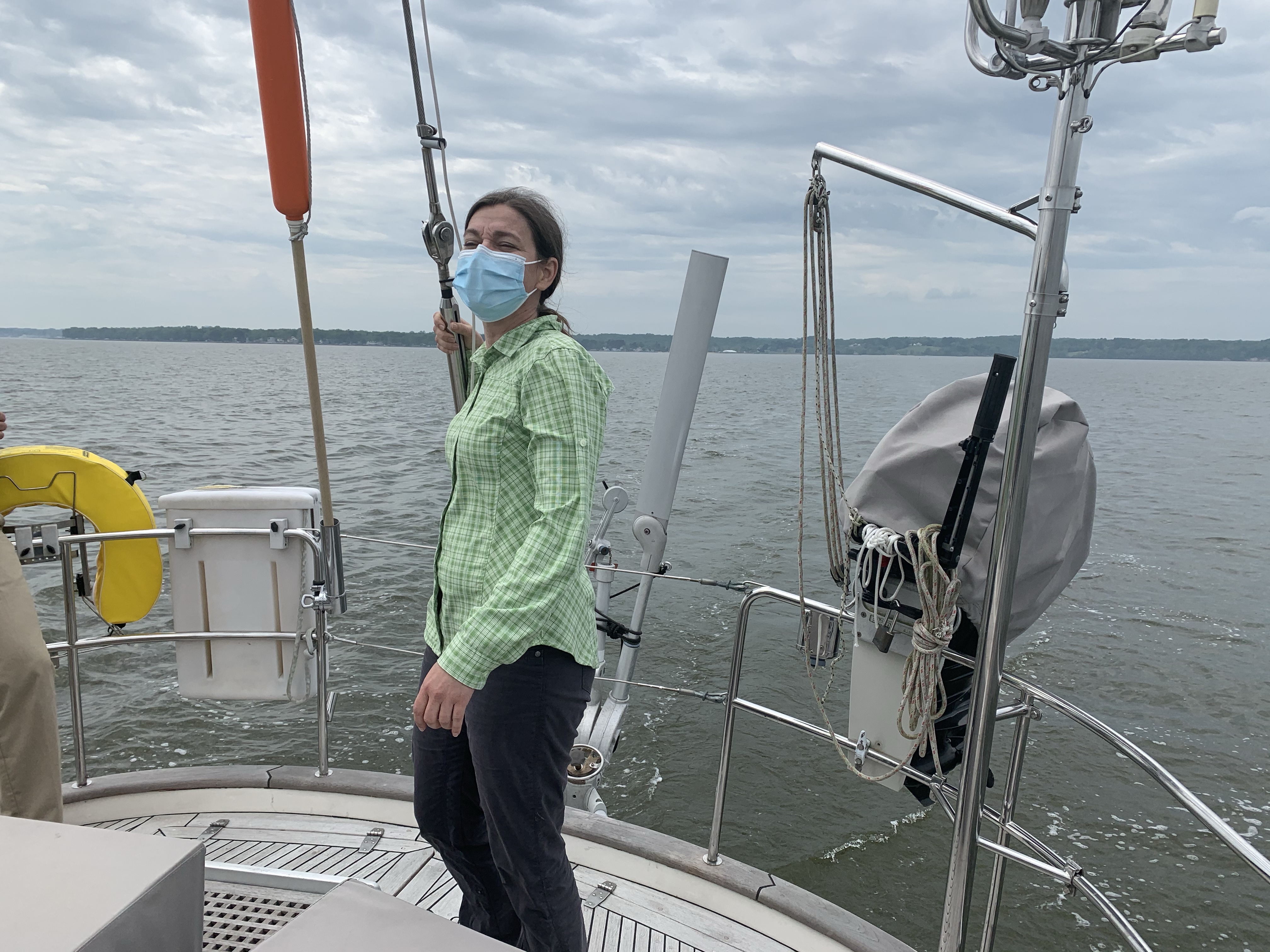
I blurted out loudly ‘crab pot!’ thinking they couldn’t hear me way up on the bow. Sure, I was made fun of because the crab pot was a few hundred feet away — easy to navigate around.
During the sea trial, every now and then the surveyor calls you over and says, “Hey, I want to show you something”. It is their opportunity to be teachers, show their value, and make sure you as the buyer have been personally notified about something important related to the boat. These are immensely valuable moments for a new boat owner, because you have so many things on your mind.
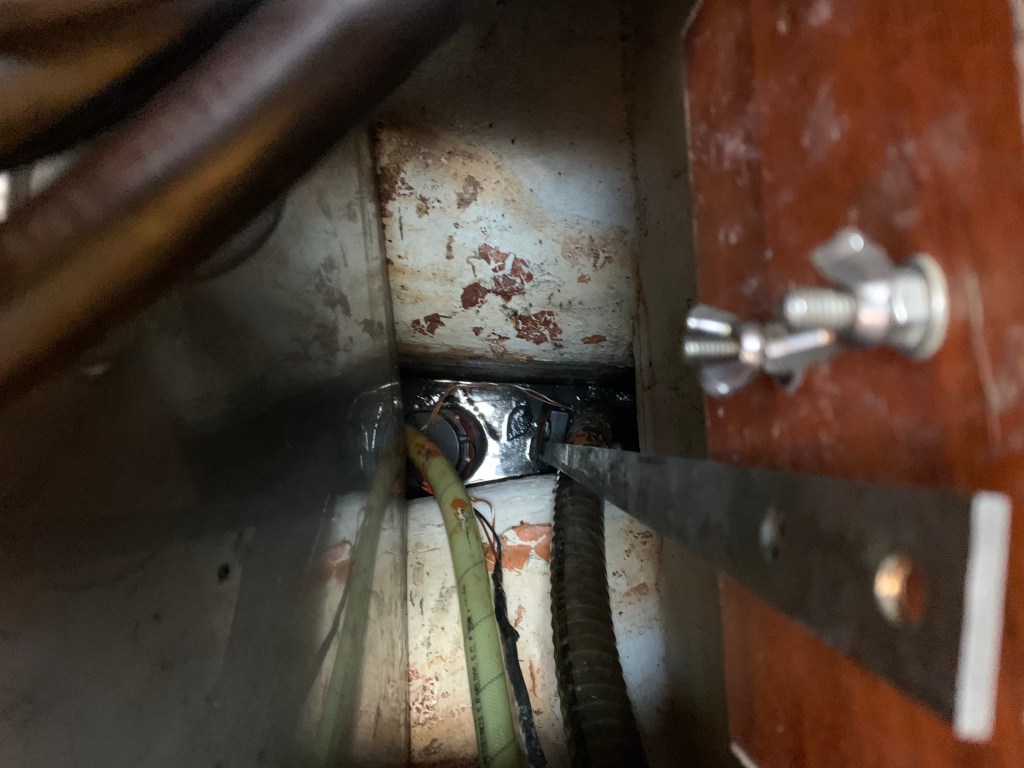
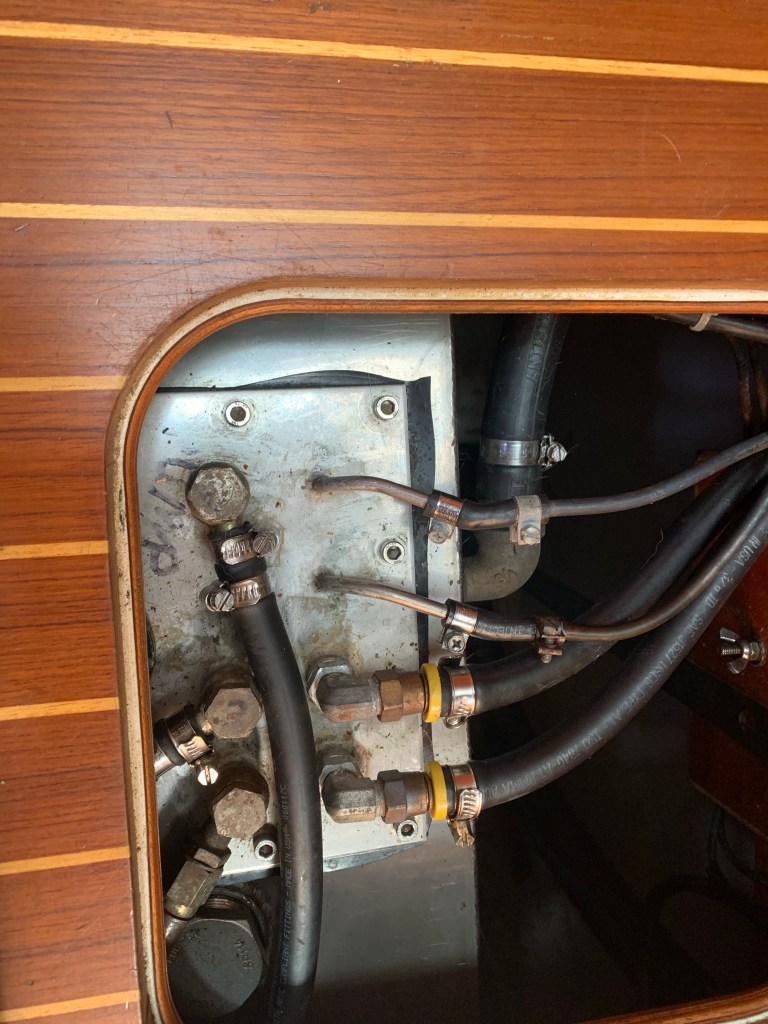
When the sea trial ends, the surveyor spends time reviewing notes and pictures. Then they organize all of the information and assemble a final report with a list of must’s, should’s and optional’s tasks.
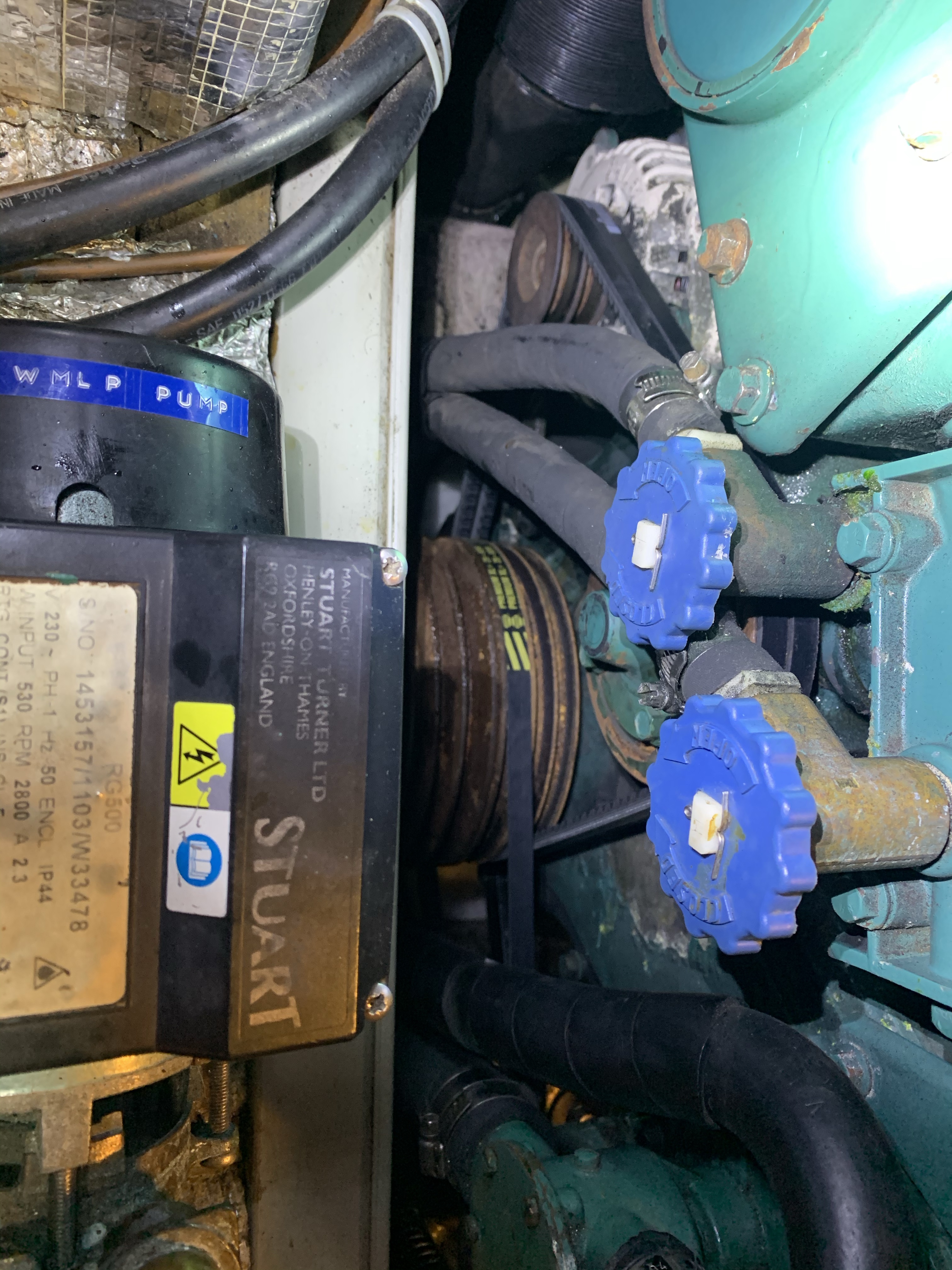
As the buyer, you have the option to hire additional technical consultants and assessors. The reason why this might be good is because general surveyors have very clear boundaries. They don’t look very deep at engines and they don’t climb masts or look at rigging higher than 6ft off the deck. We elected to bring on a mechanical competent subject matter expert (SME) to study the generator and the engine.

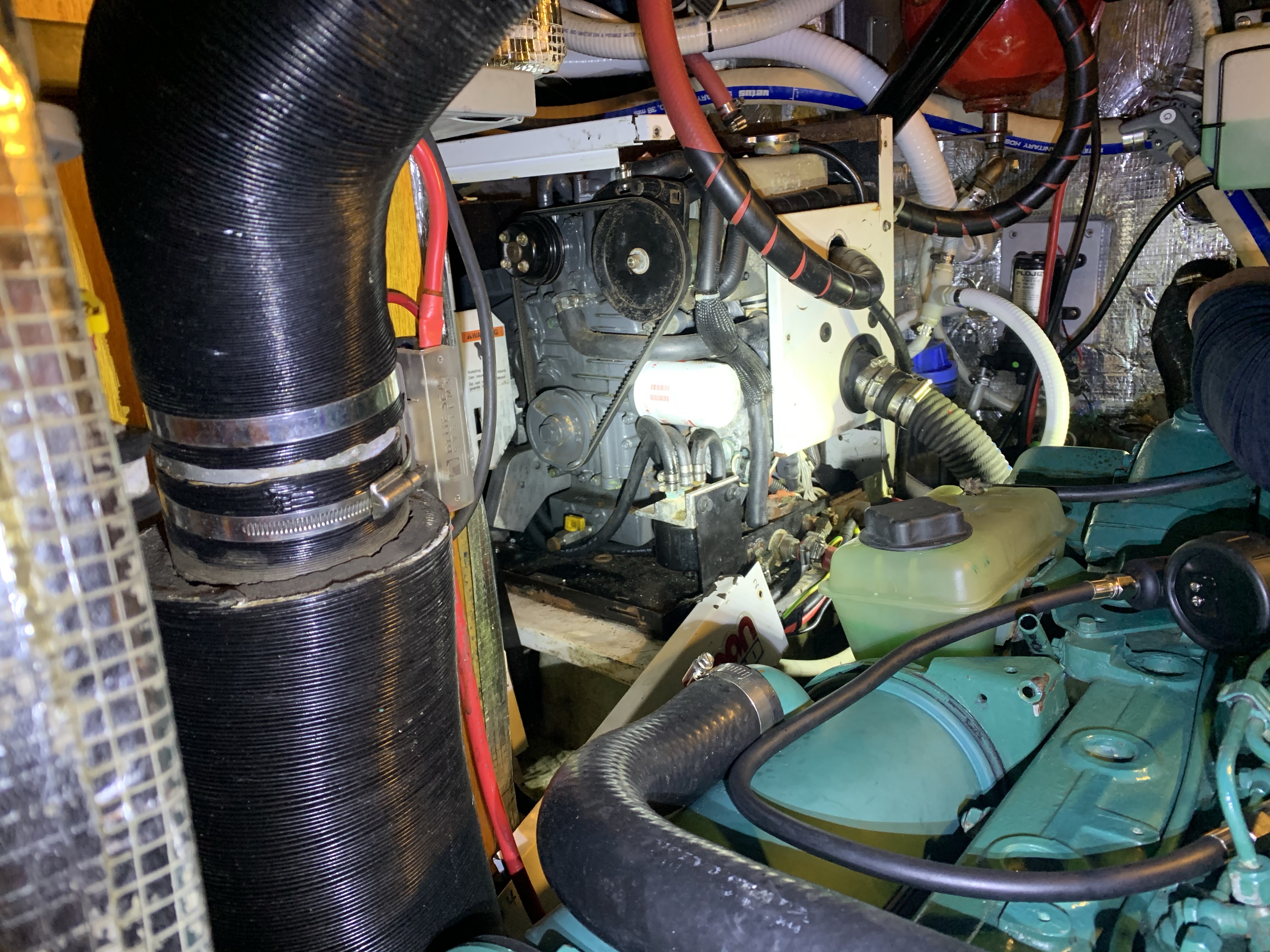
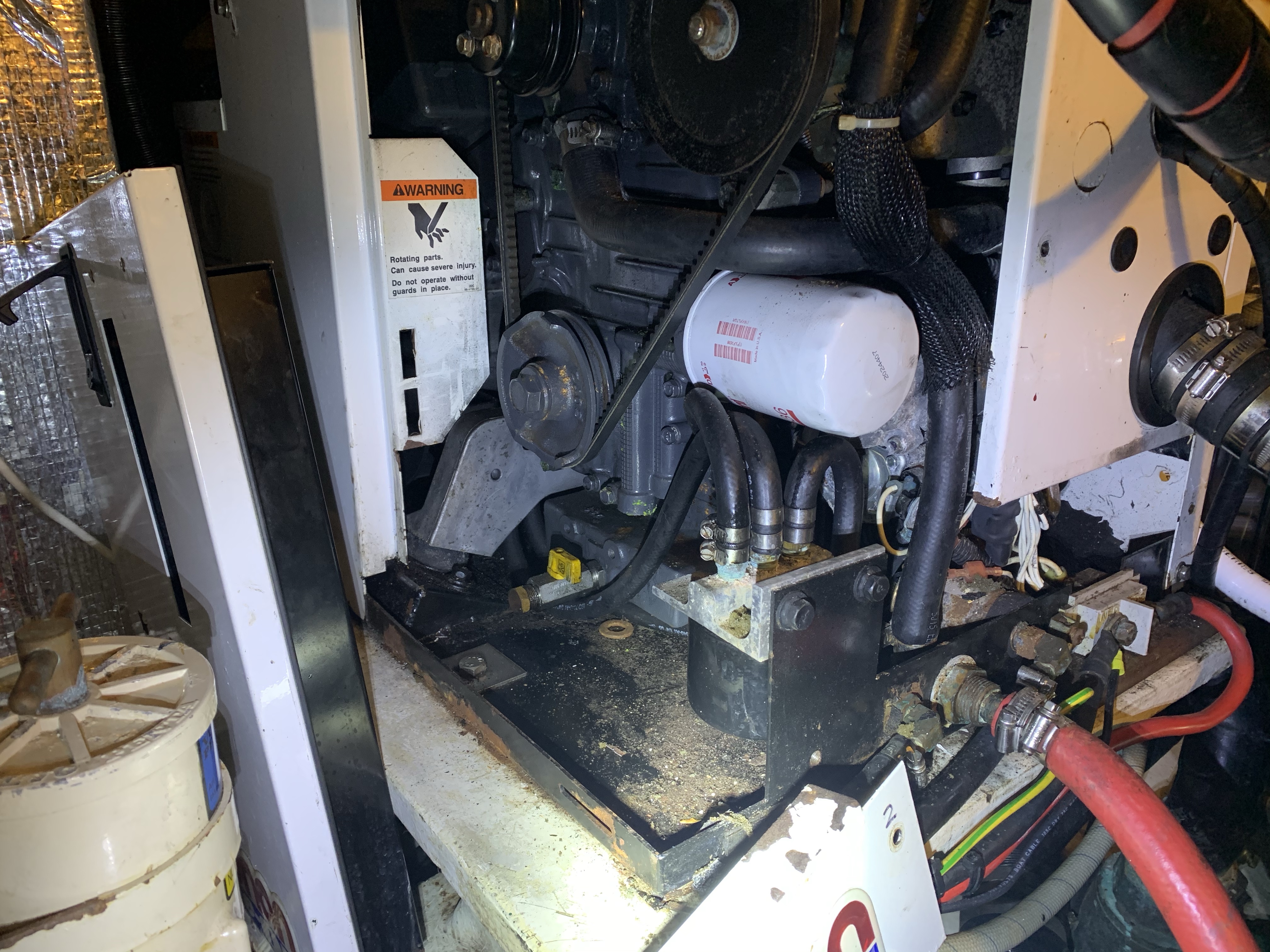
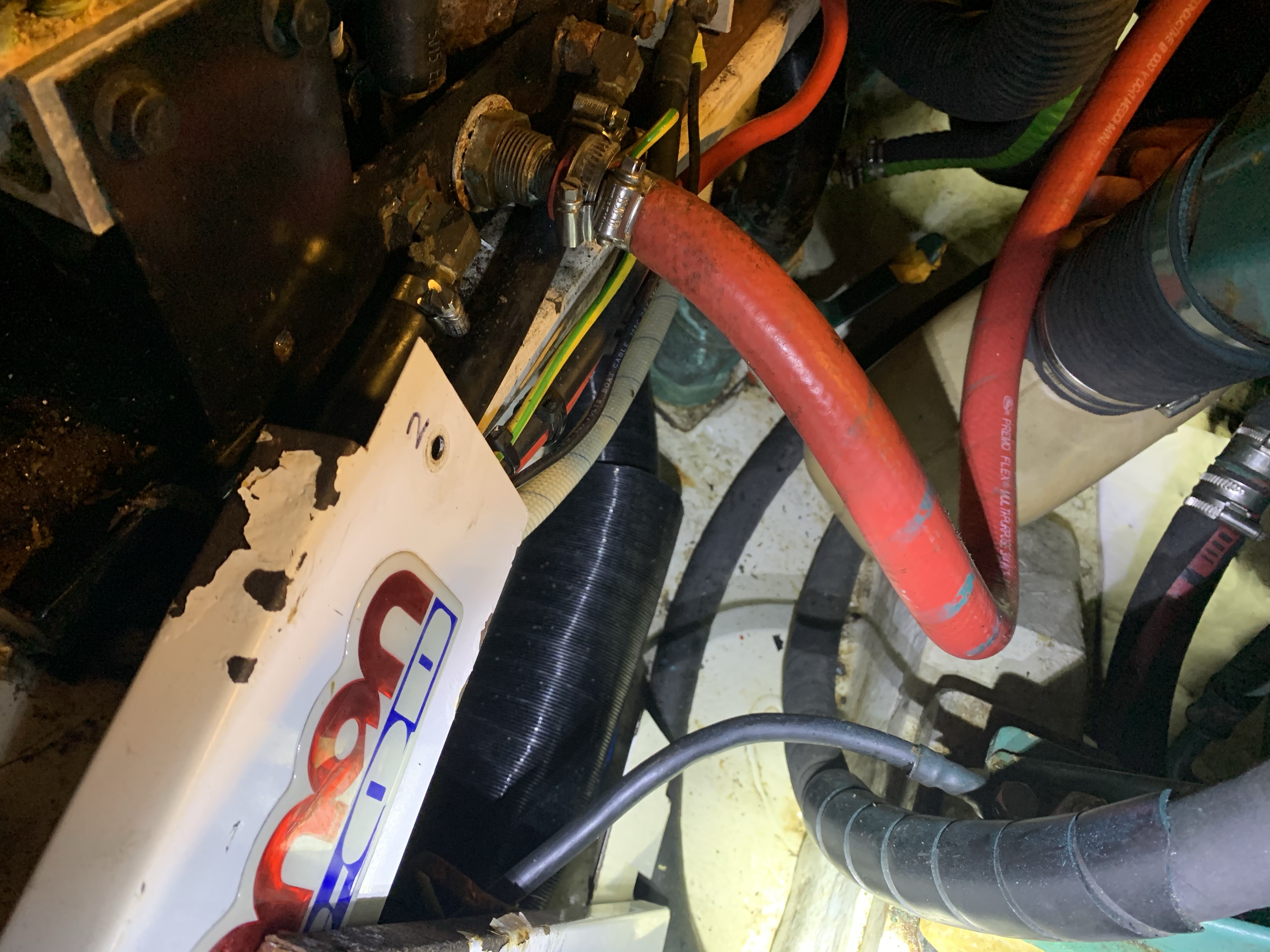
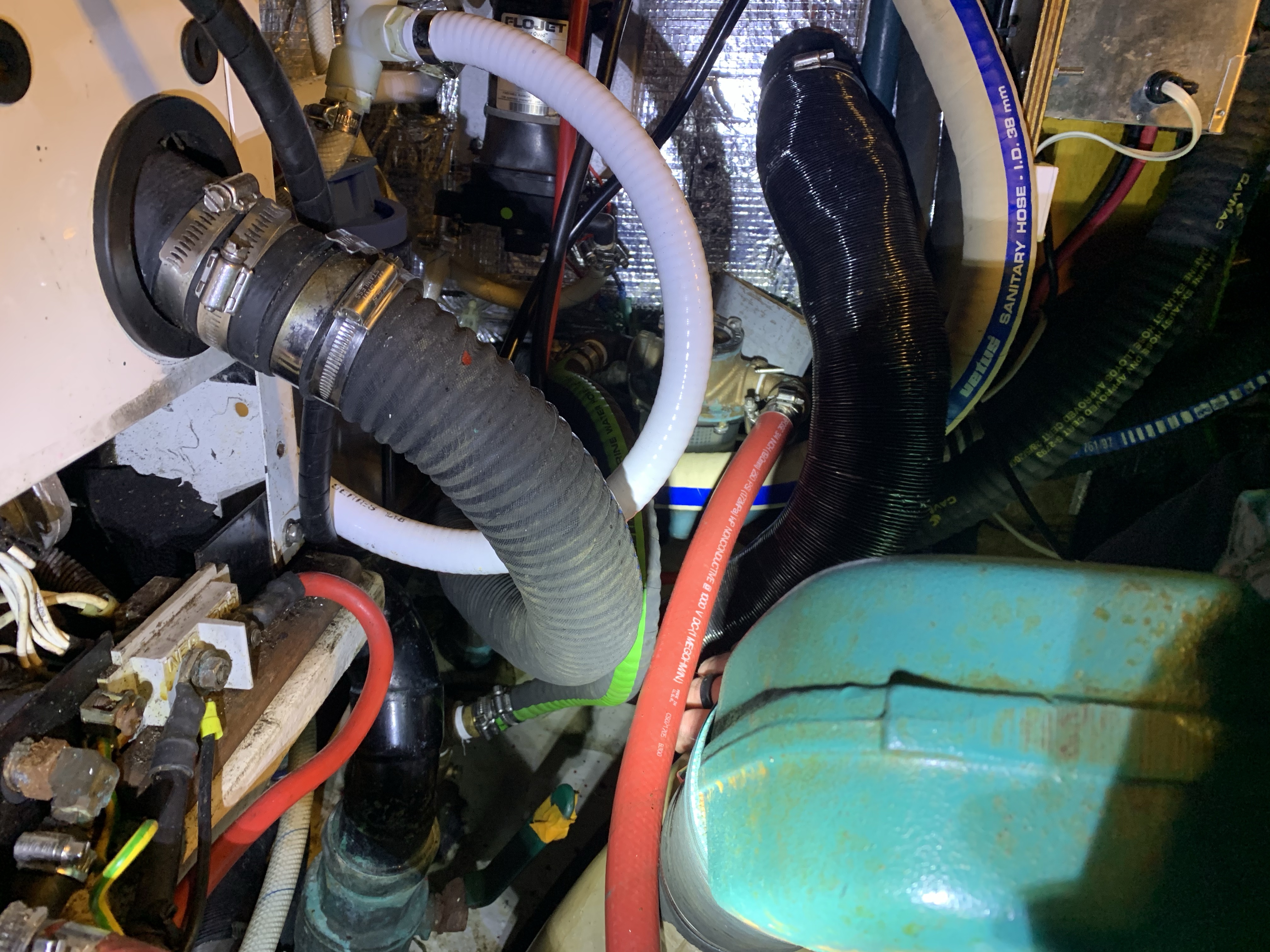
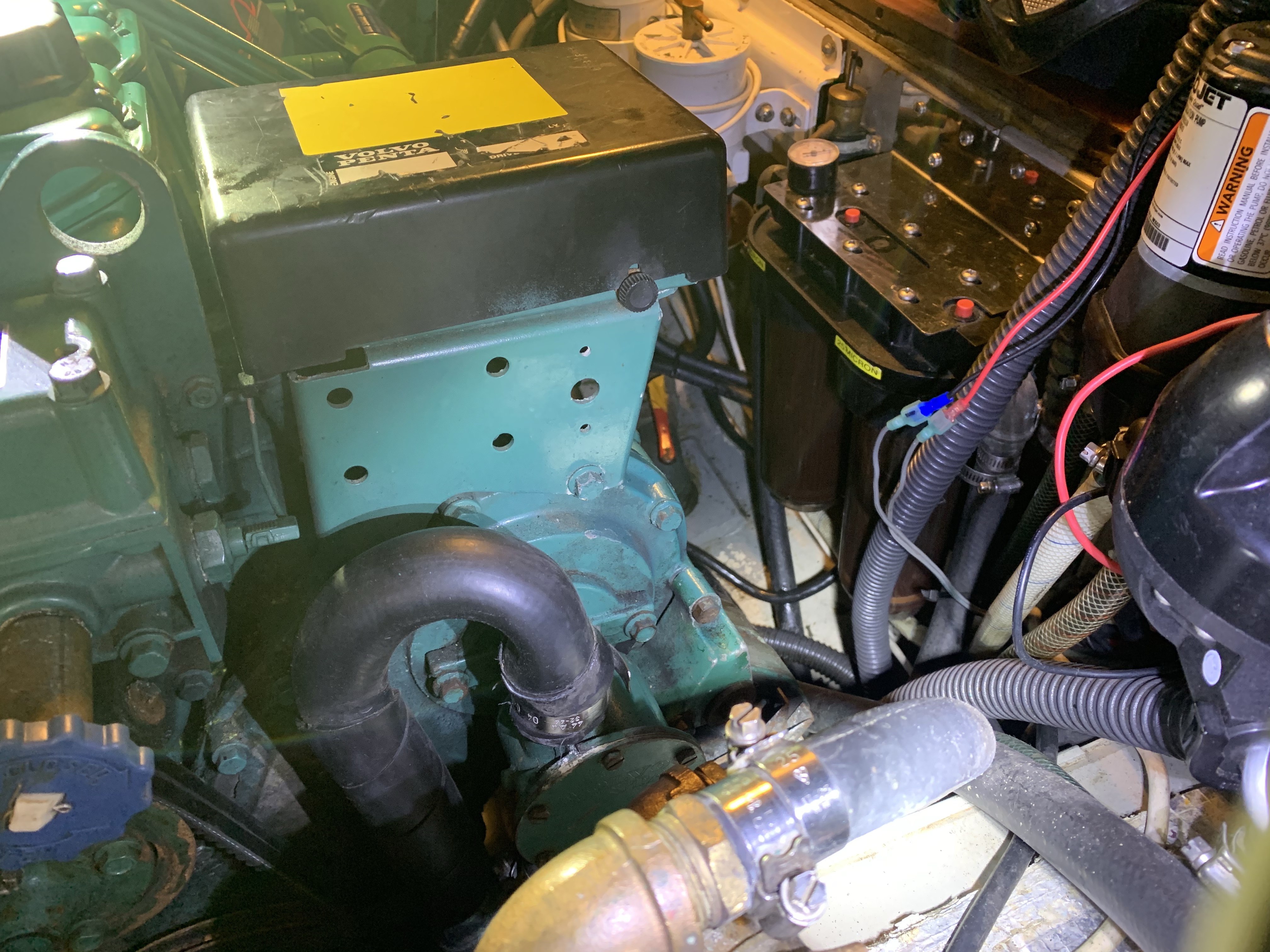
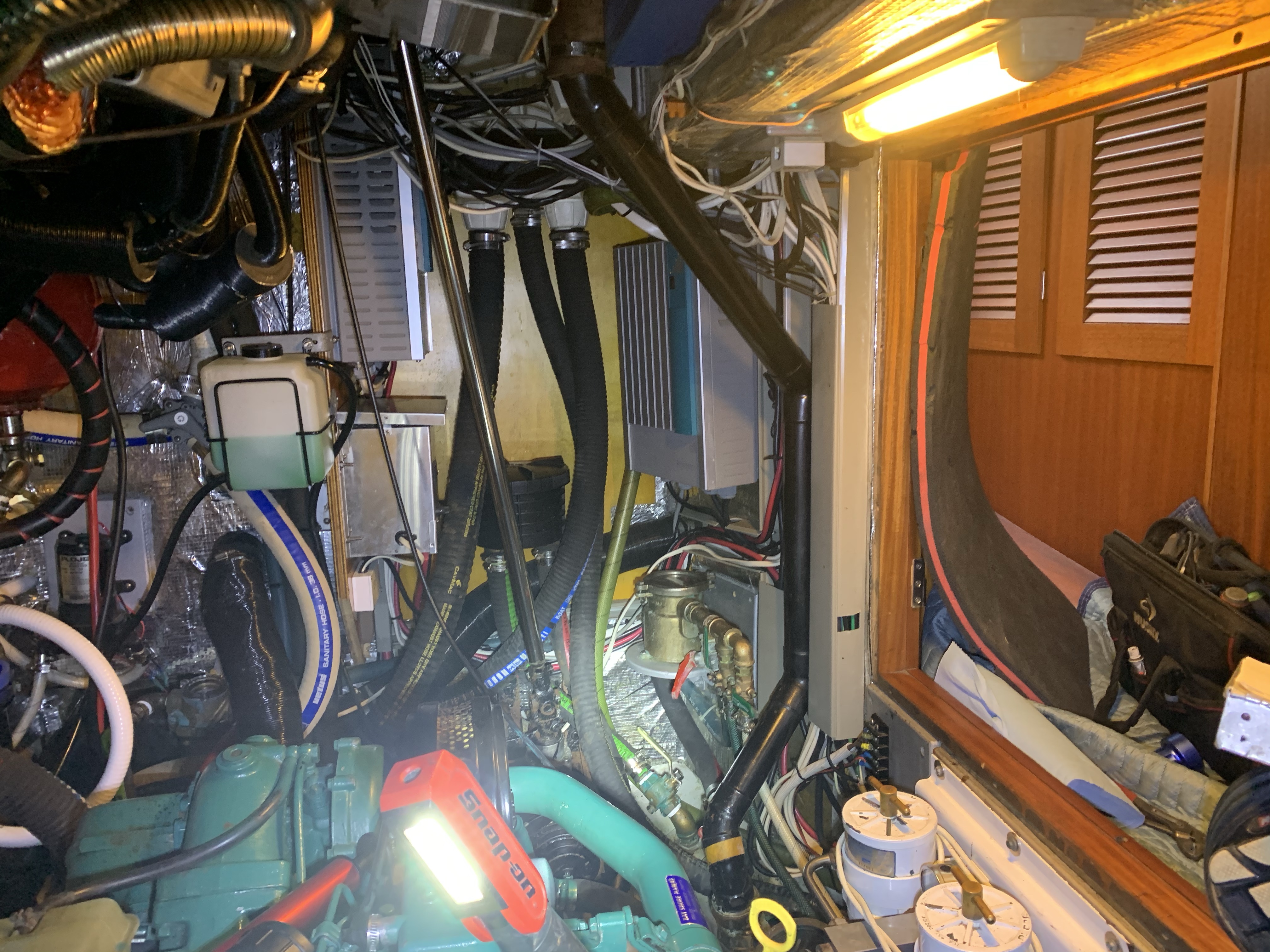
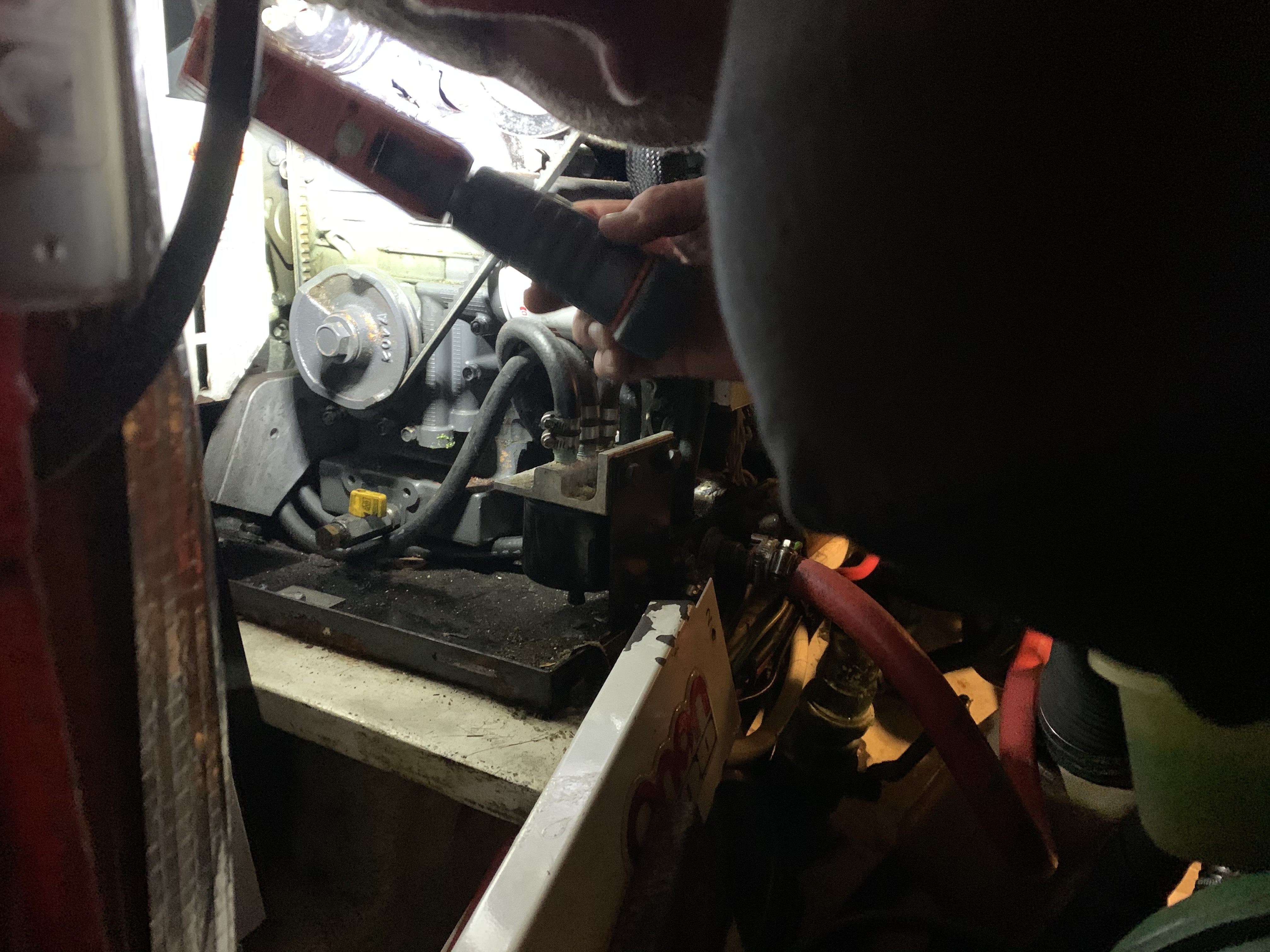
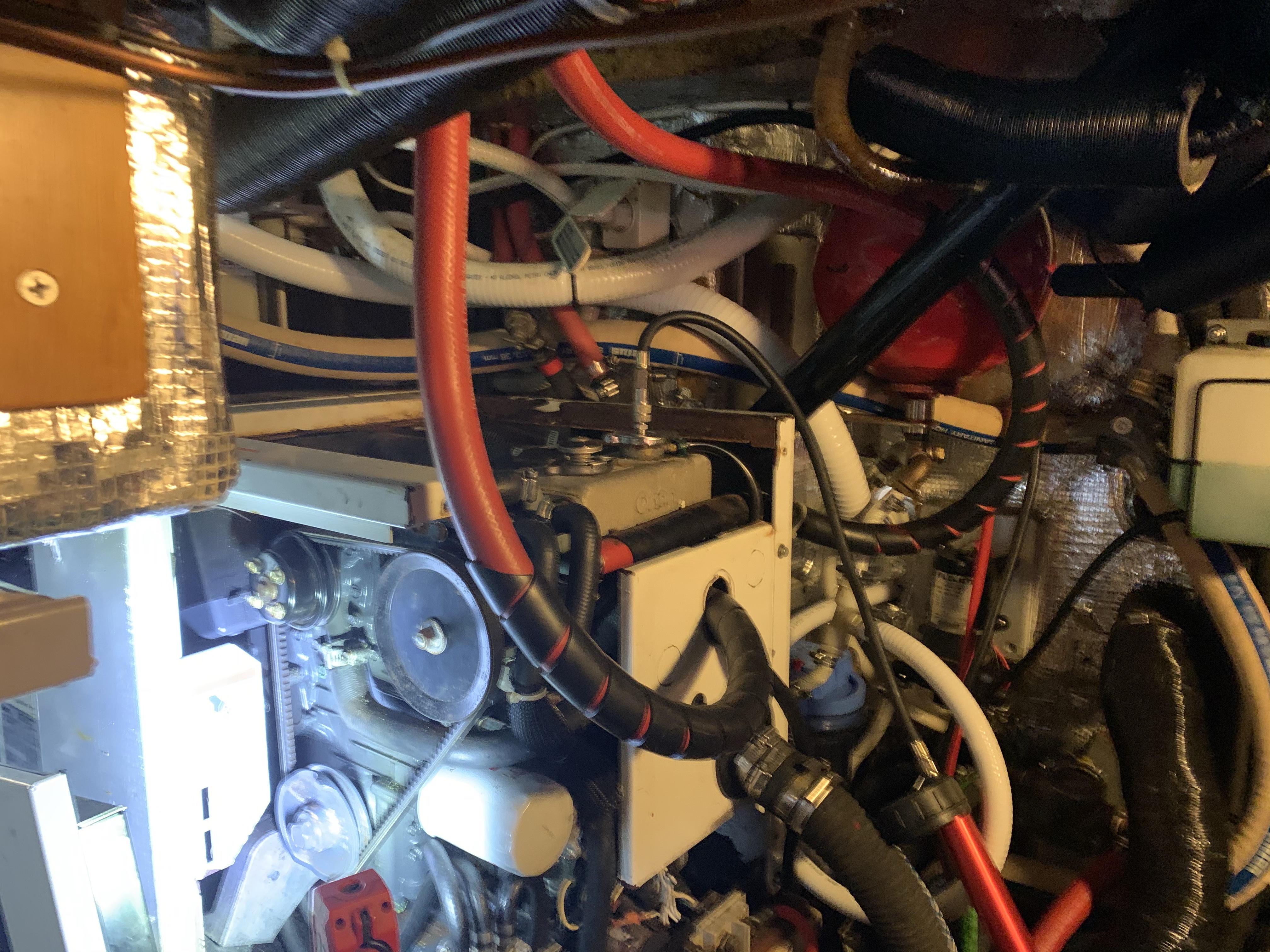
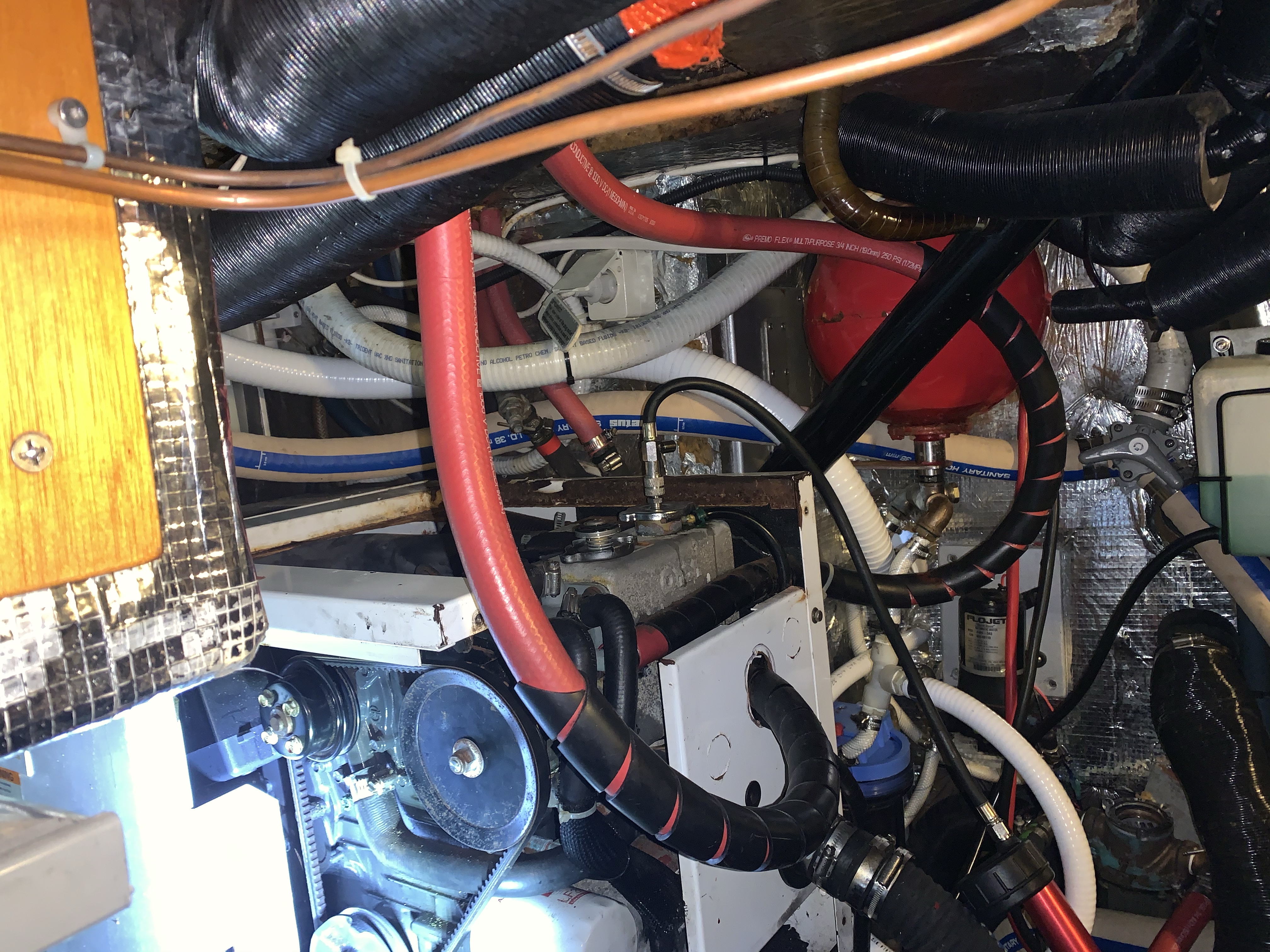
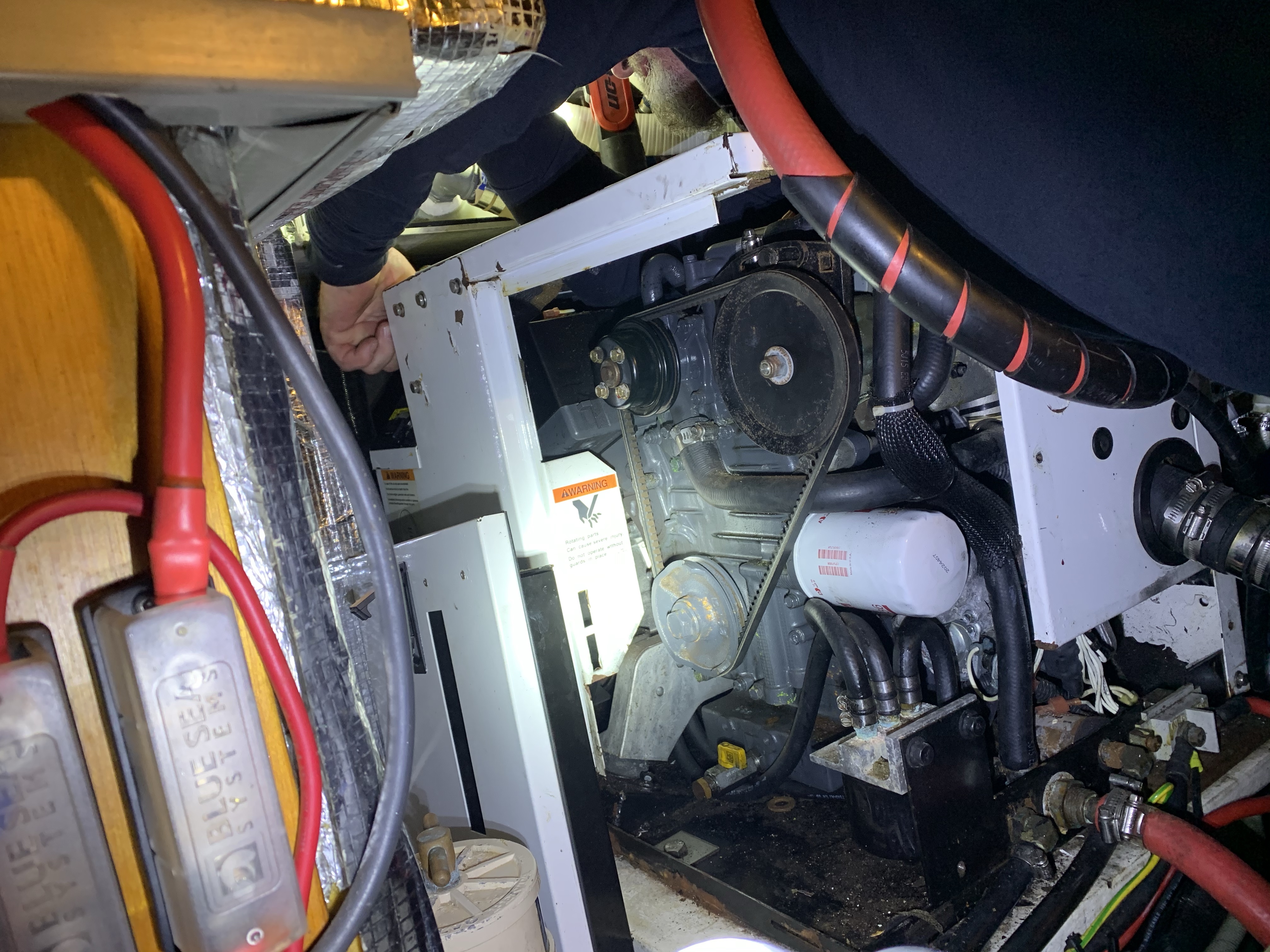
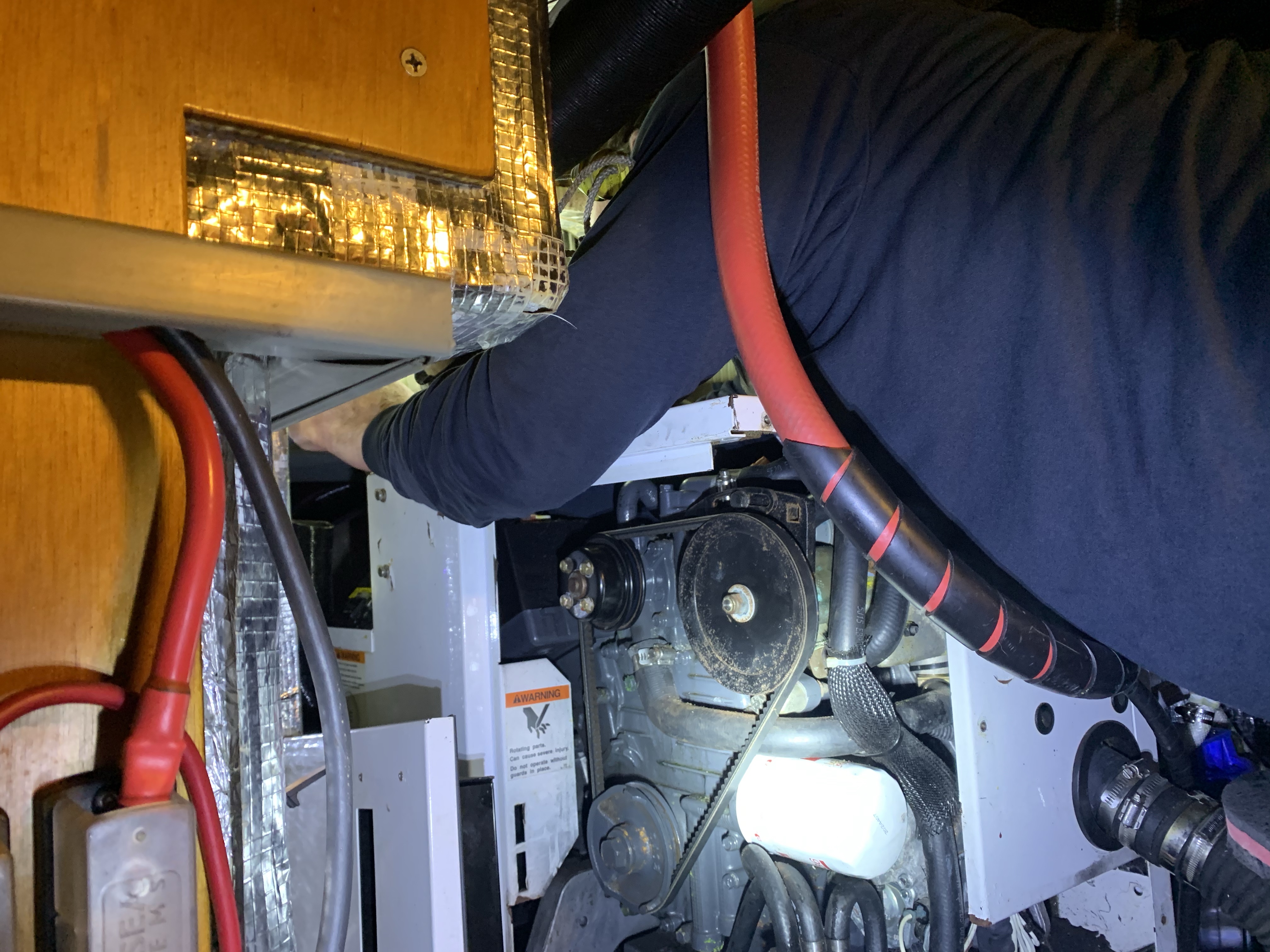
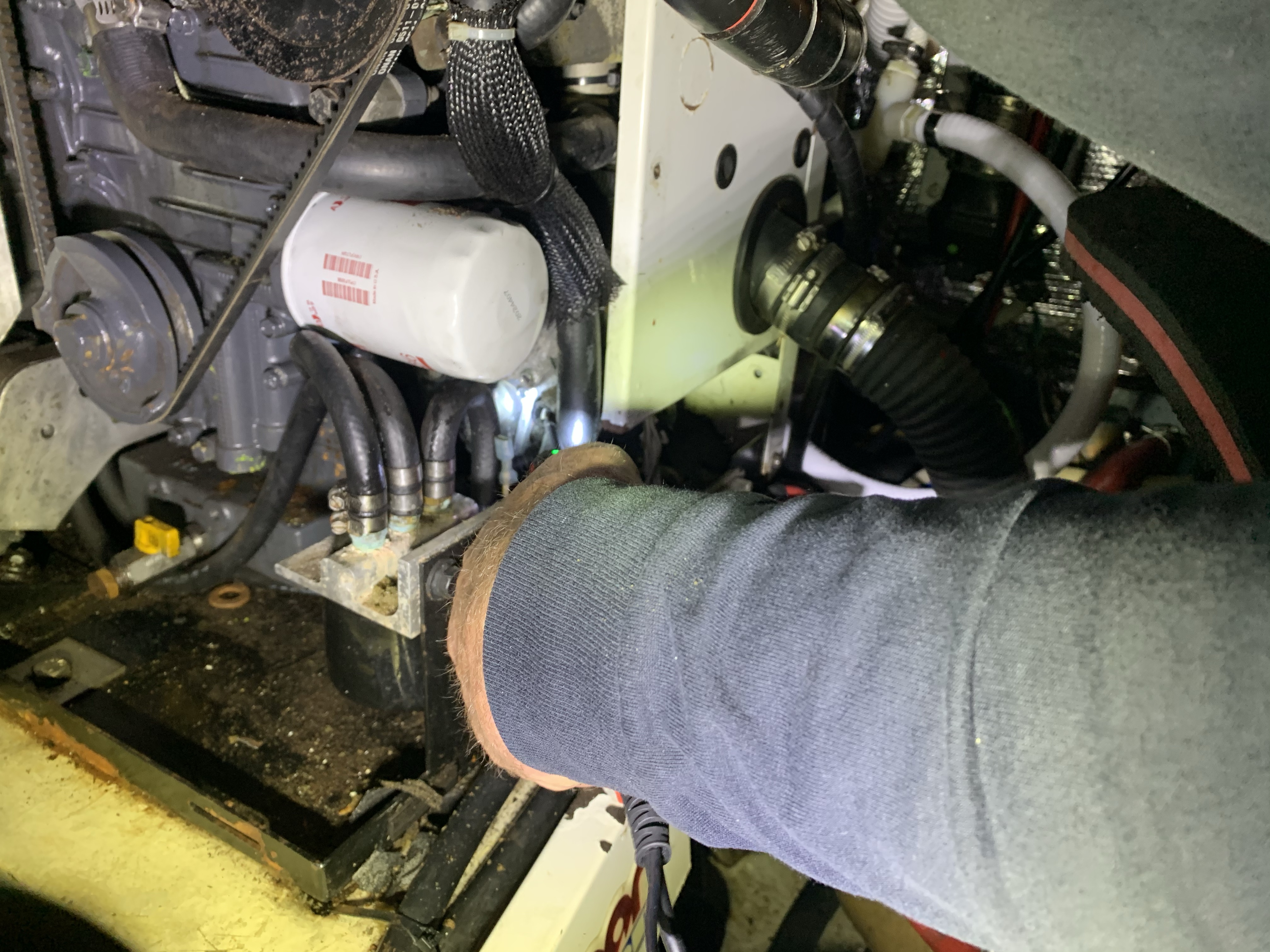
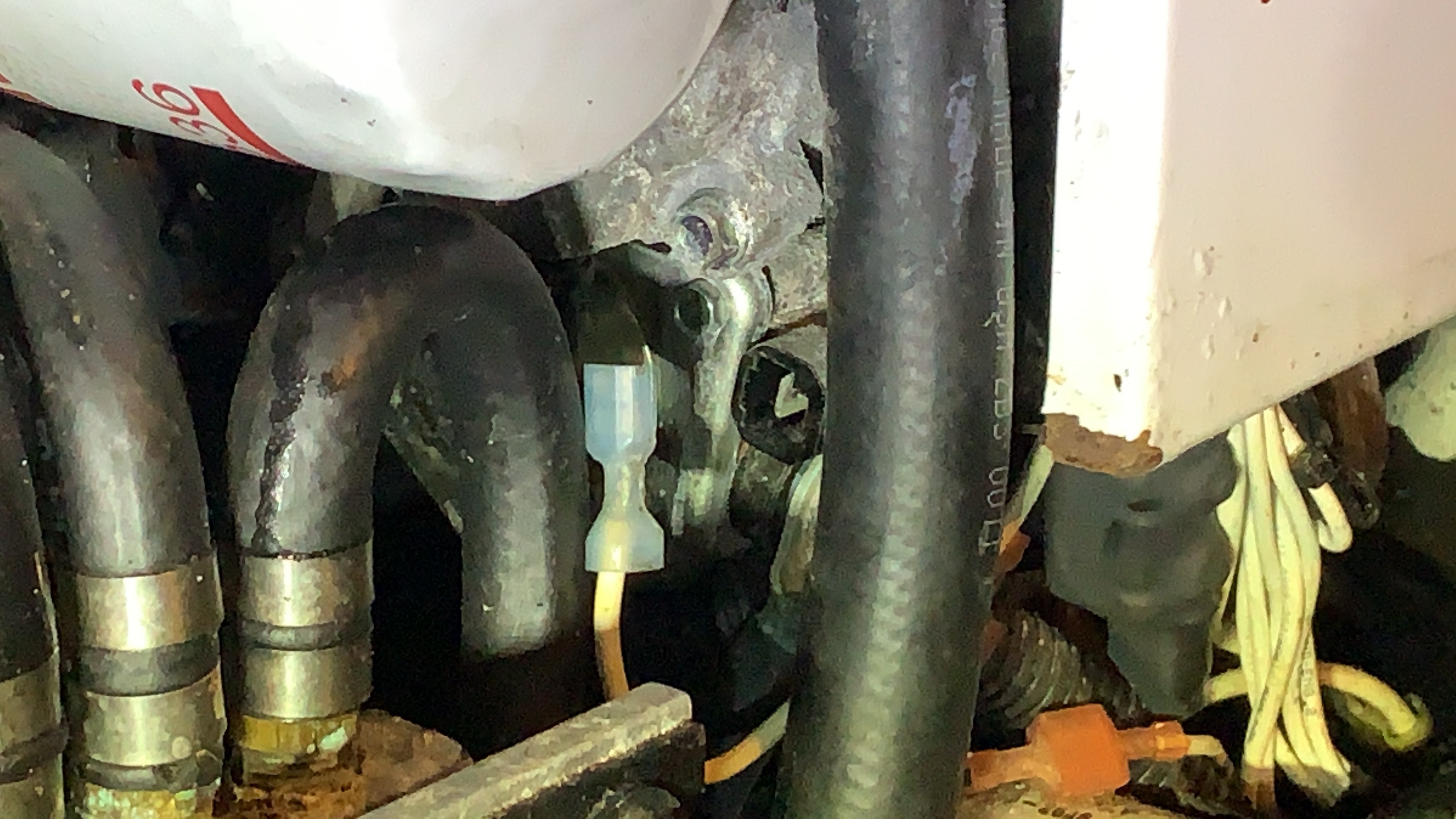
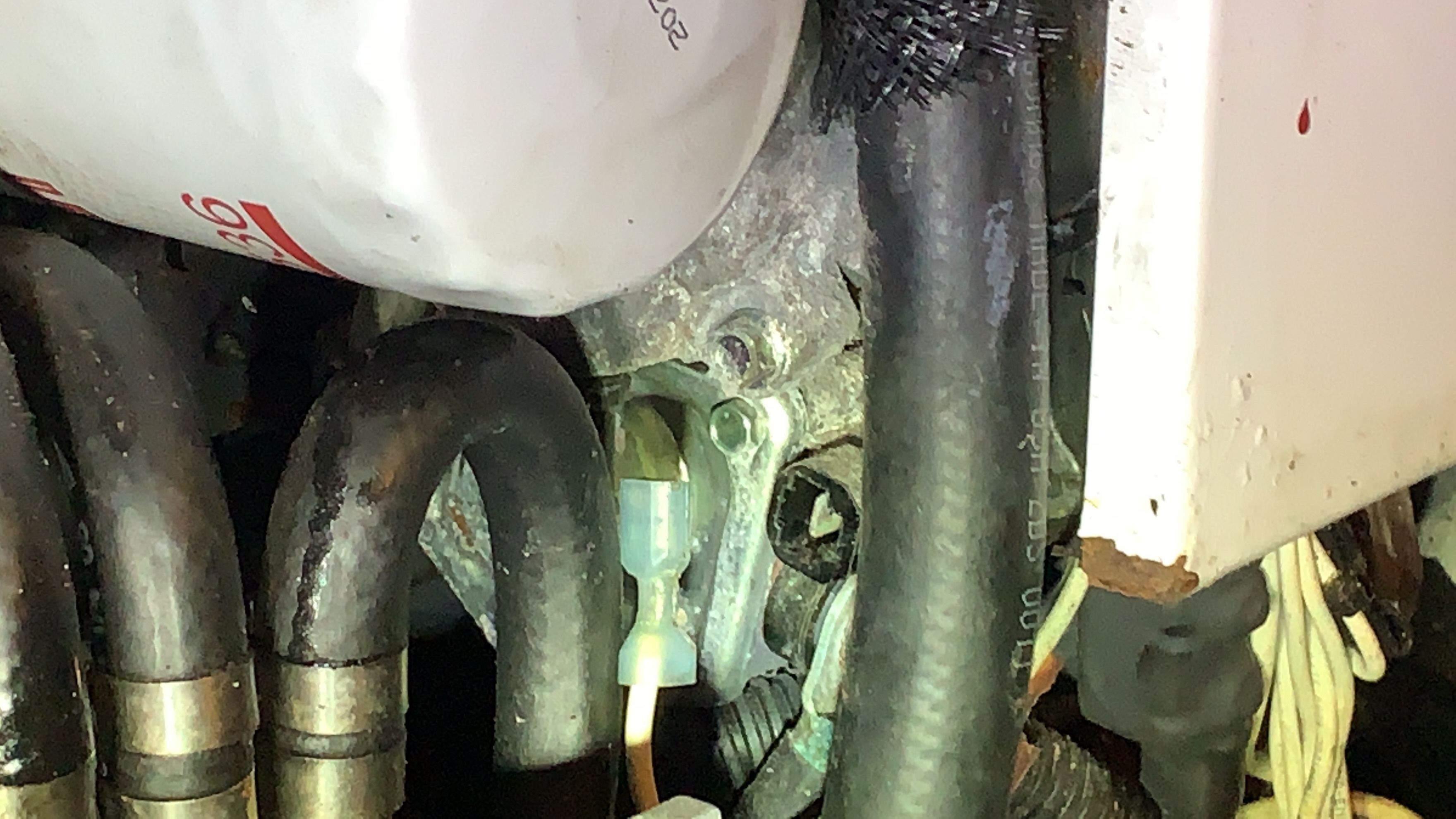
We did not, however, elect to bring on a rigging inspector. The rigging is well-oversized, and the mast video (see previous post) shows no signs of major failure. but this doesn’t preclude us from doing a more in-depth survey in the future for our rig.
This post couldn’t possibly cover all of the observations and nuances from the sea trial. Next time you are on a friend’s boat, have an appreciation for what it takes to get through a sea trial.
Catch you all next time when this HR46 is officially ours.

 The Loxodograph
Thanks for sharing your “Seaworthy Inspection” Jeff. The inspection was certainly a lot more extensive then I could have ever imagined!! Looking forward to the day I can step on that boat and do my “personal” inspection!!
LikeLiked by 1 person