

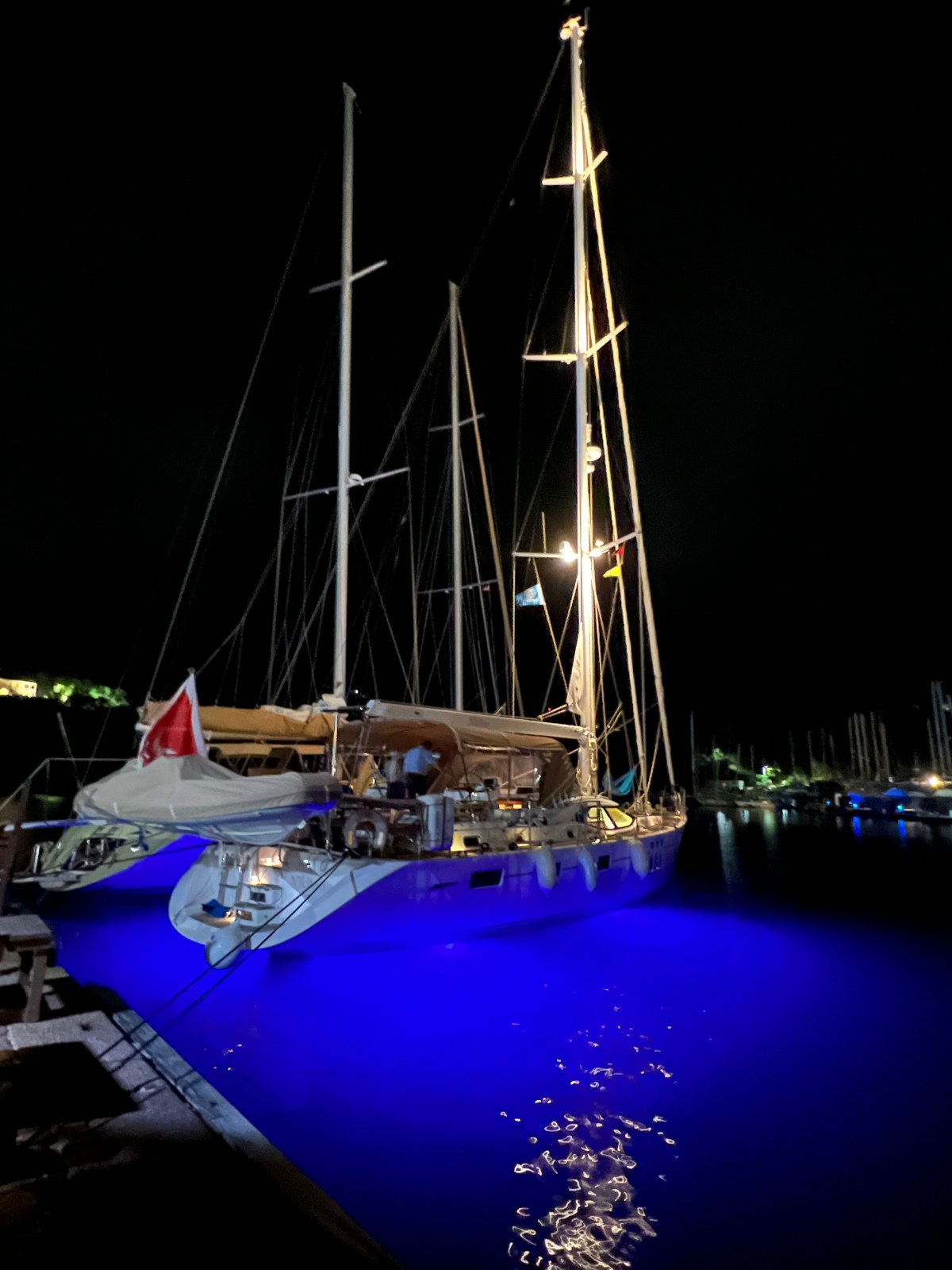
For this passage, we had 4 crew members participating in standing night watch. Each night watch was 2.5 hours starting at 2000 and ending at 0800. My shift was 0030-0300 every night. Sailing at night (whether motor-sailing or sailing with the engine off) is pretty magical when you are out in the ocean. I knew this from the few overnight trips I had already been on in Skyward.
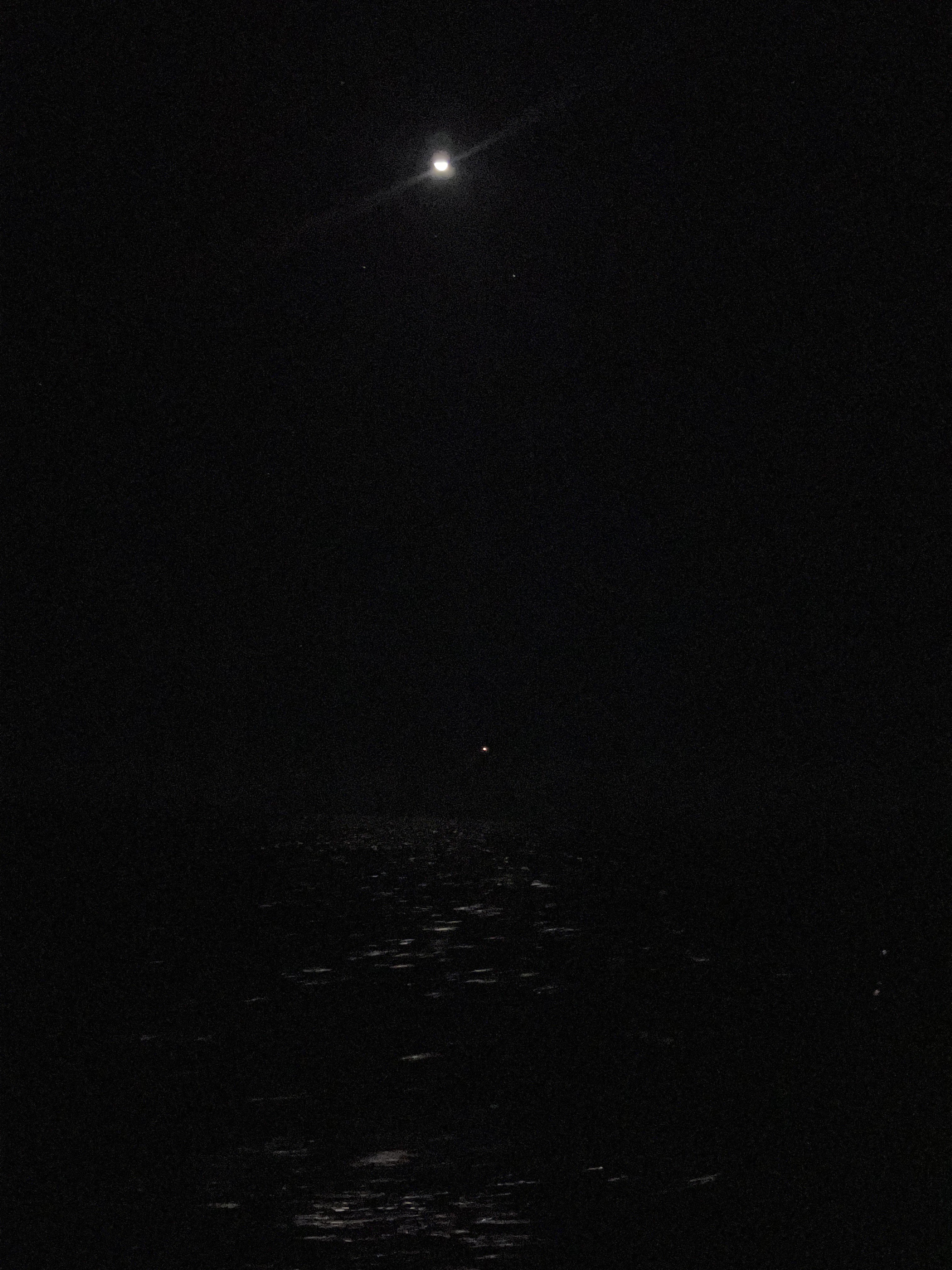
Night watches include an element of blind operating when there is no light and it is pitch black. When the sky is clear, the wonders of the universe come out and greet you. The stars are brighter than anywhere else on the planet. In these final days, we were lucky to have the planet Venus sitting above the horizon to the East.
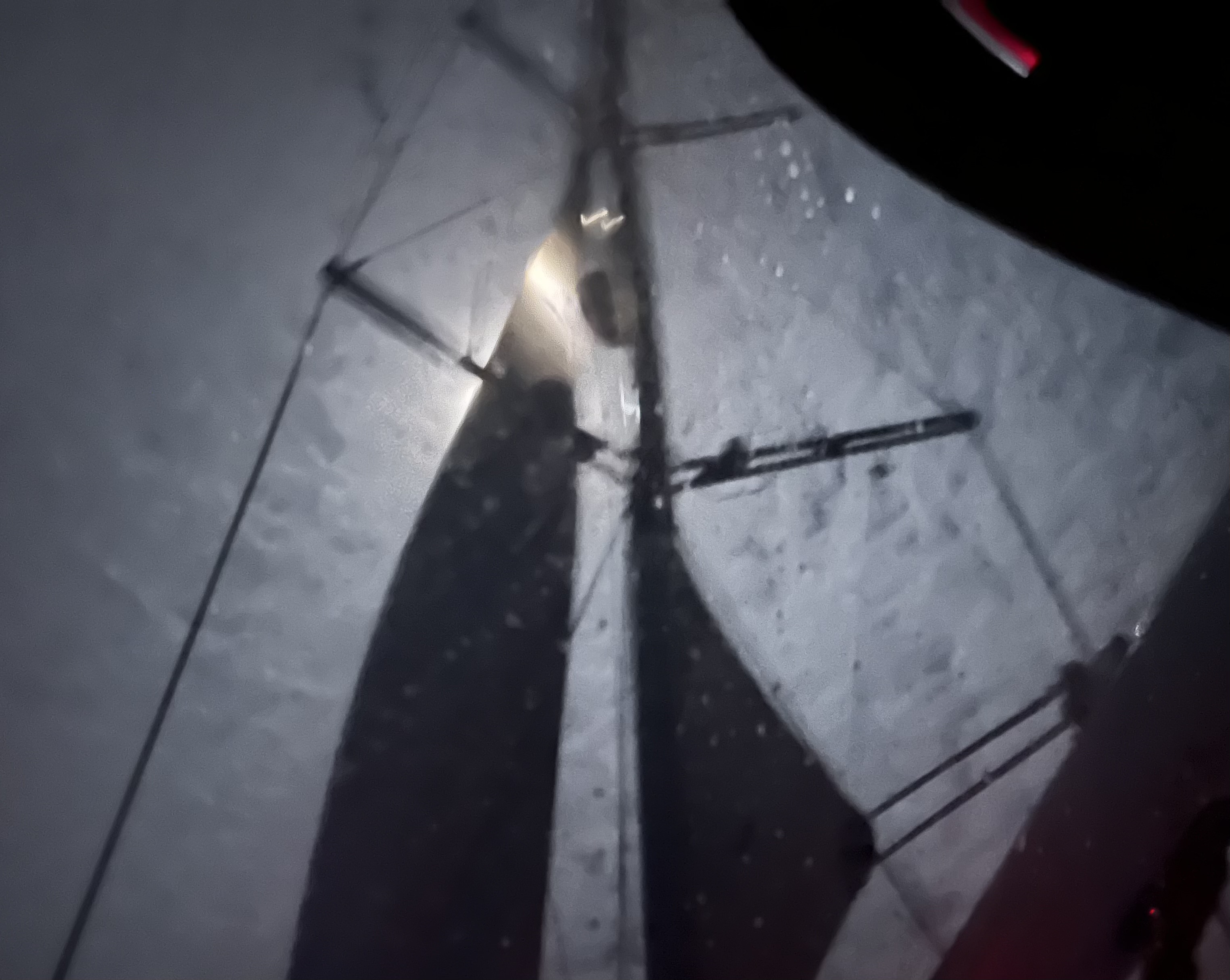
Here is another night shot of us trying to figure out if the sails are trimmed correctly. We have moon above and deck lights to use. As you can see, the shadow of the sail is quite vivid against these lighting sources.
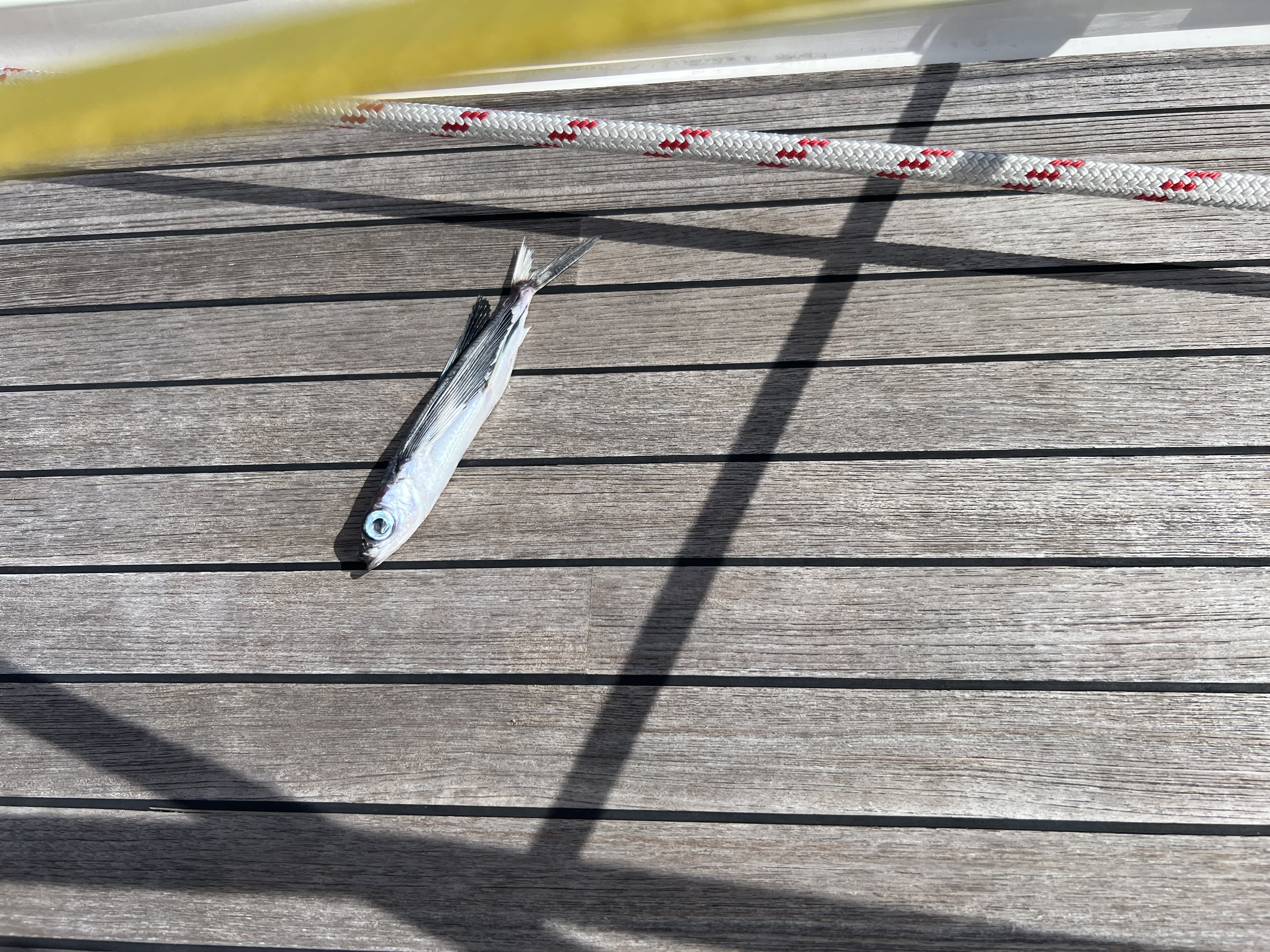
At night, flying fish would apparently see something interesting in the cockpit and smack the canopy Isinglass. The sound of these fish hitting the canopy is similar to taking a baseball bat to a mattress. They make a huge thud. In the morning, we find them on the deck — 4 of them for this trip.
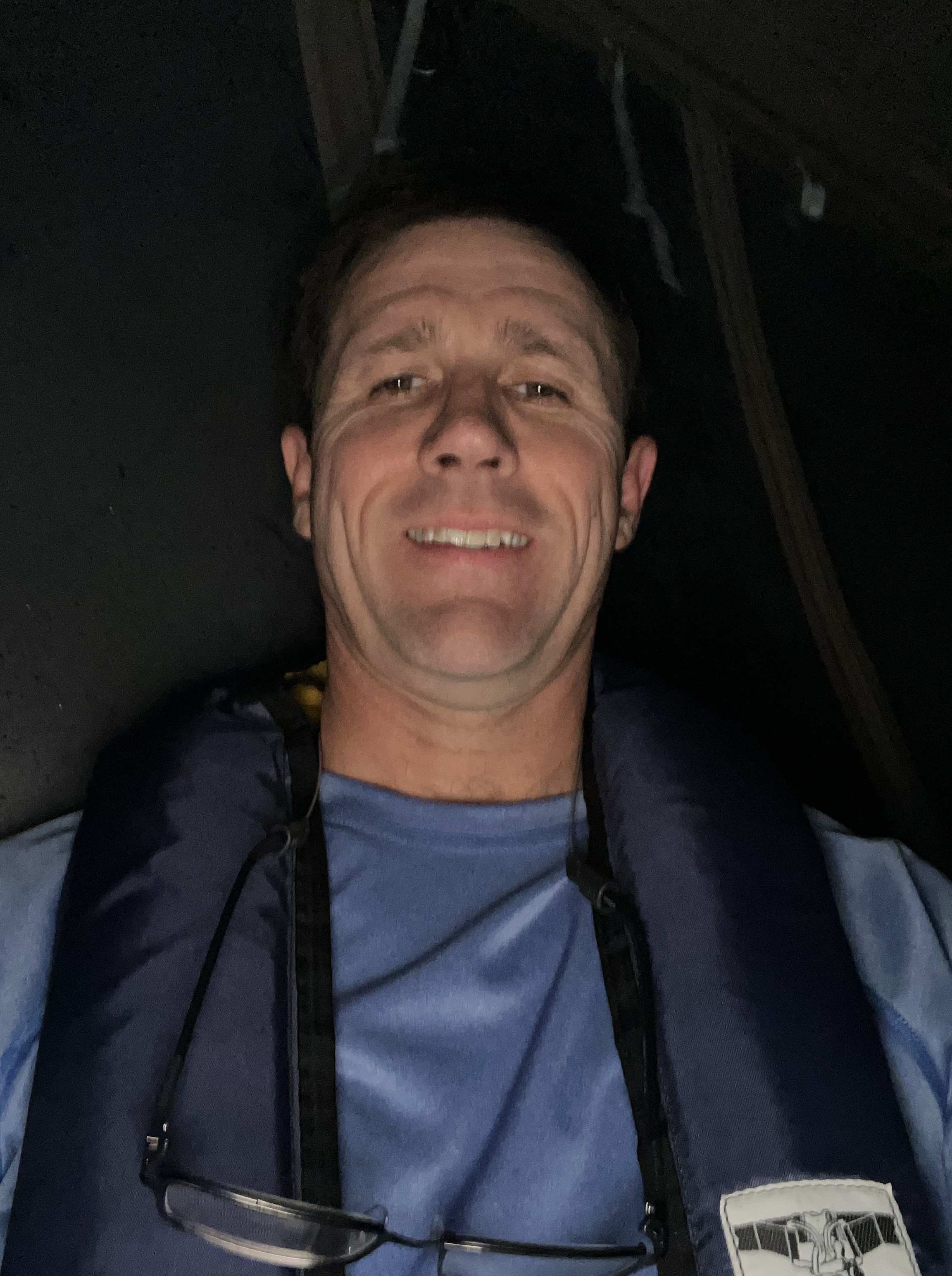
The rule on the boat is that we are wearing lifejackets and tethered to the boat at all times while on night watch. And, no one leaves the cockpit without another person present. That policy was fine with everyone, because no one wants to take any unecessary risks of falling overboard when no one else is aware.
The sea state finally calmed a bit by Sunday, and we tossed out a line to try and catch a fish. We were just sitting around having a nice conversation when out of the blue, the fishing rod and reel made a buzz sound. We all knew what that meant…fish on! The Captain was the first one out on the aft deck with his life vest. I put mine on and went out to help him.
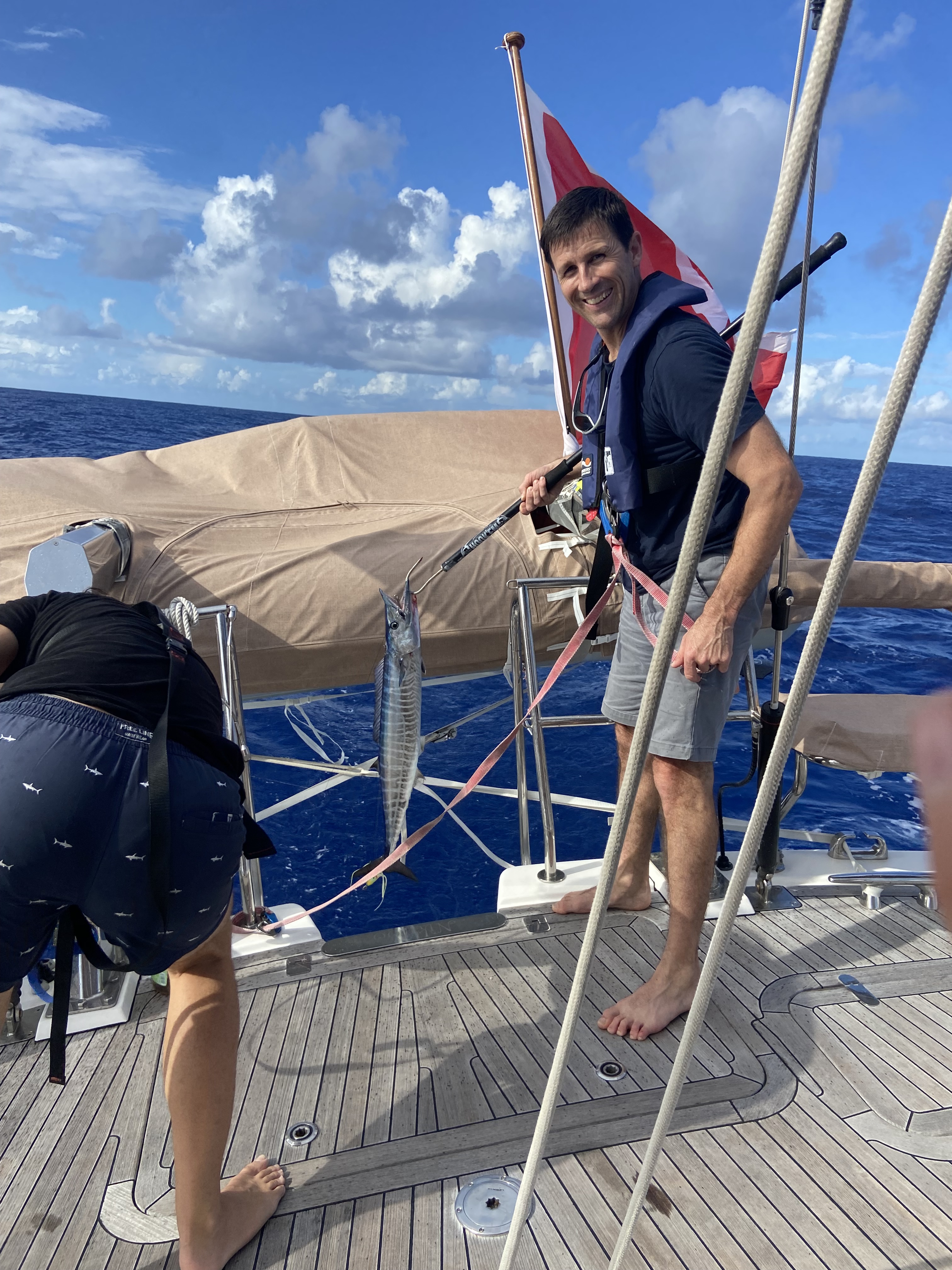
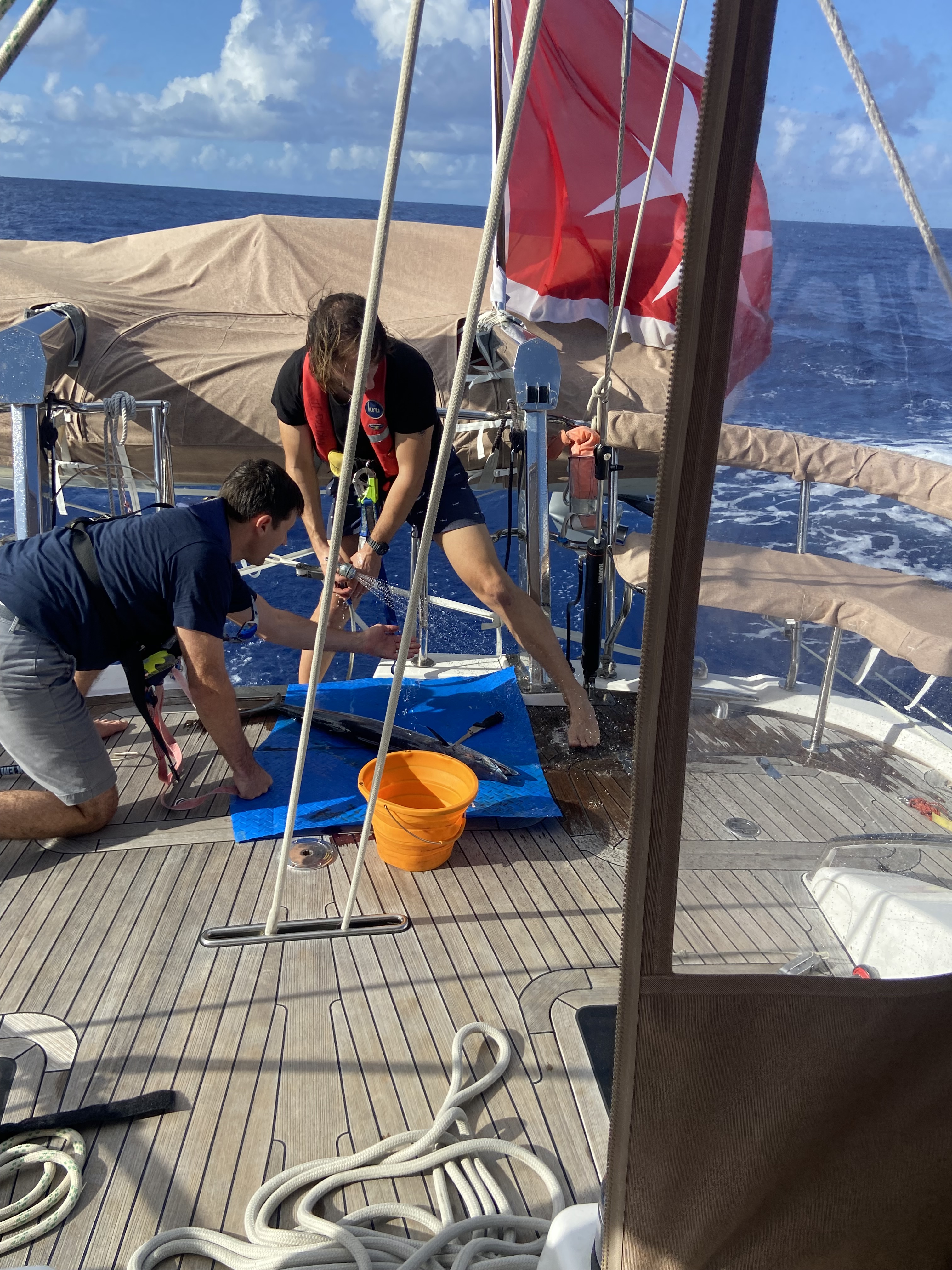
We landed a wahoo, which was one of the highlights of the trip. Crew slowed the boat down slightly, which allowed the Captain to reel it in towards the back of the boat. I carefully climbed down the sugar scoop with the gaff hook and put the hook into it’s mouth to pull it on board. Once we had it aboard, we opened up a plastic sheet to lay it down onto, then rinsed it off and then Captain fileted it.
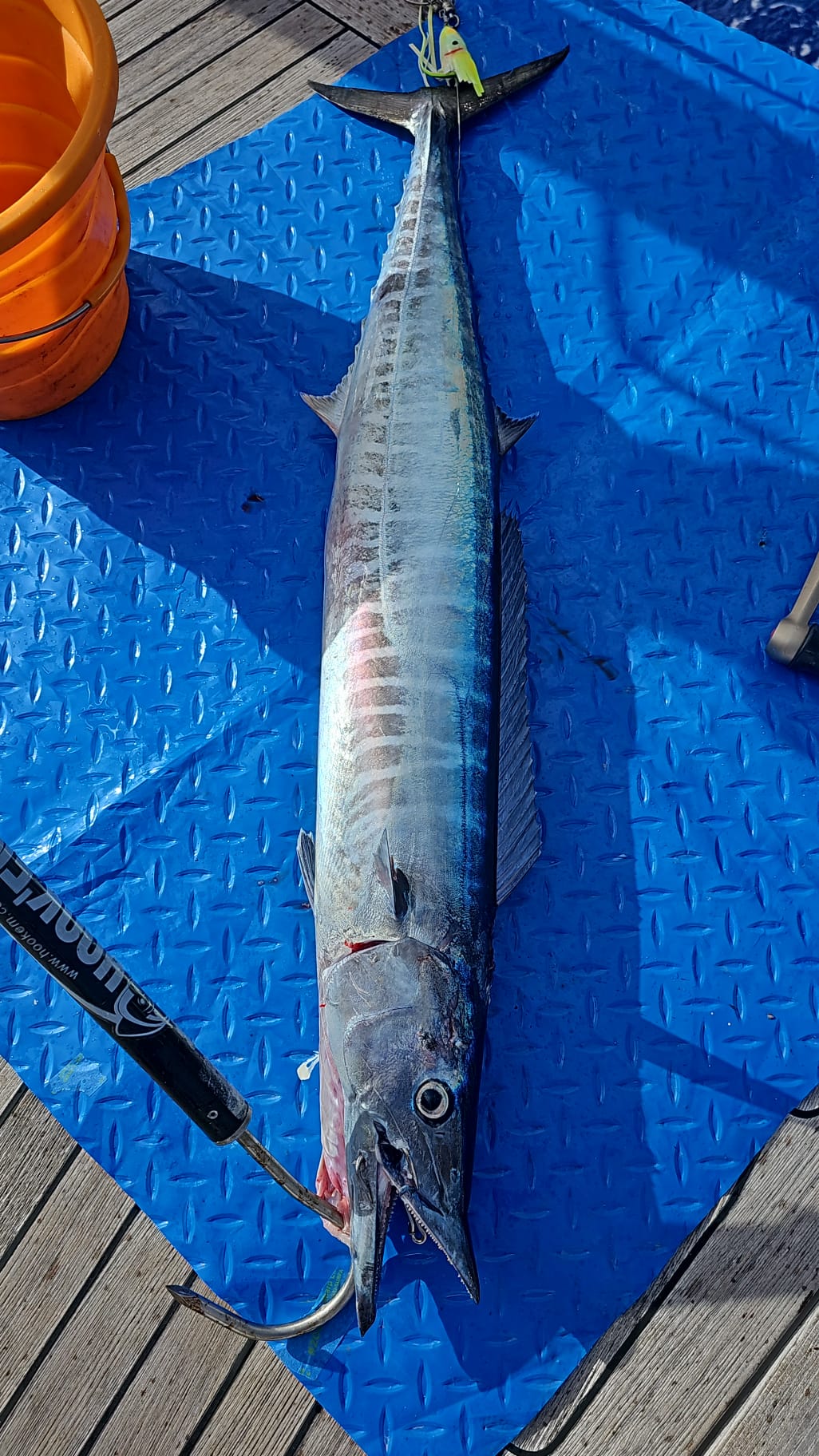
We were concerned about ciguatera poisoning, but some research online arrested our concerns since this fish was caught 600 miles offshore. Nevertheless, we ate wahoo the next couple of days, once fried on an electric grill, and the other time I think it was pan fried. Not only was the fish delicious to eat, but the thought of us catching a fish on this trip was also a savory thought amongst the crew.
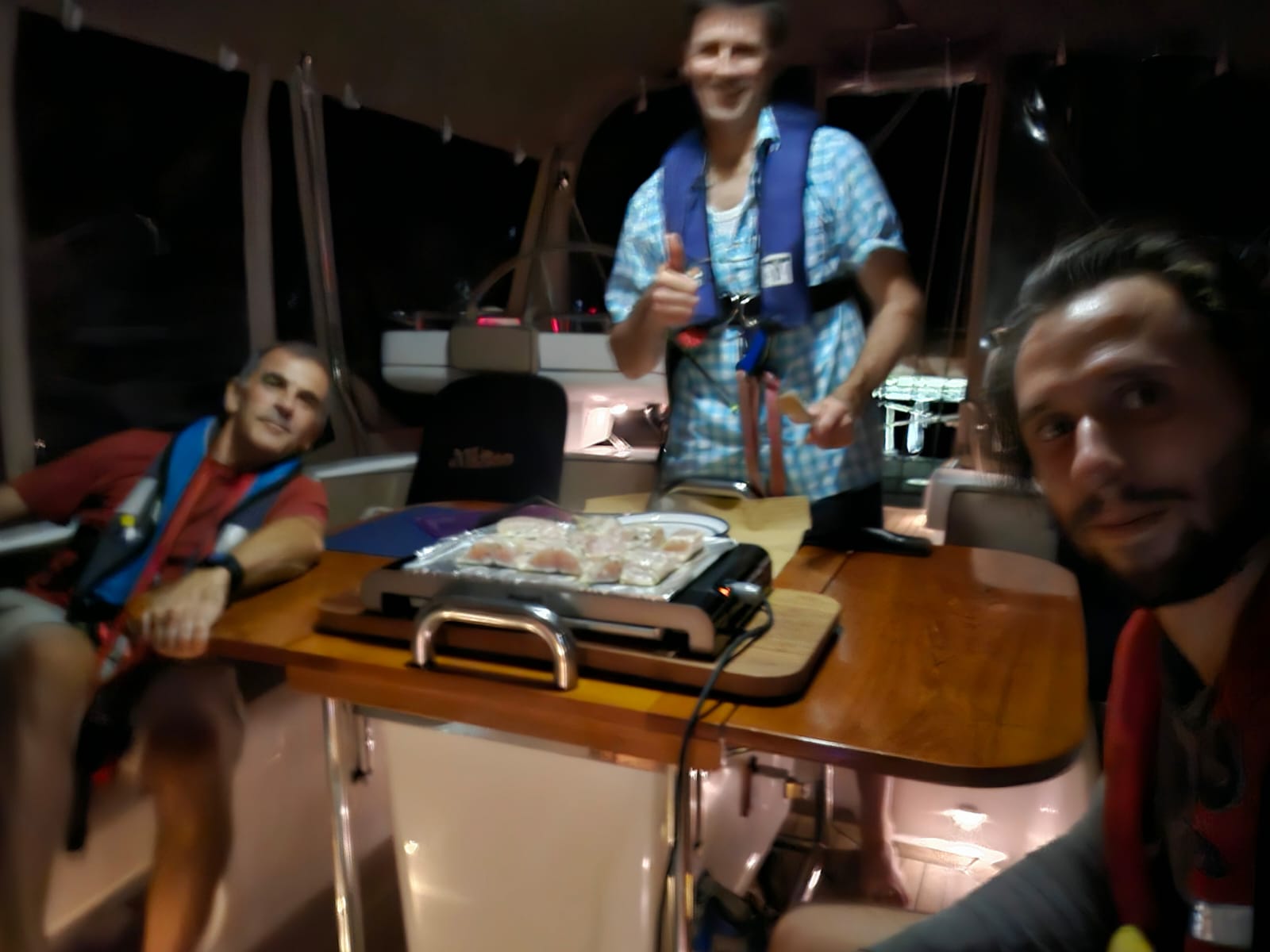
By this point in the trip, the days were starting to blend together, but mother nature wouldn’t let us forget where we were. Yet another amazing sunset appeared to the West. We were fumbling with our phones and cameras to get this one recorded.
For the duration of the entire trip we had 1-3 knots of current against us. Once we turned SSE just before Bermuda, we also had wind on the nose. That meant that we had to do quite a bit of motoring.
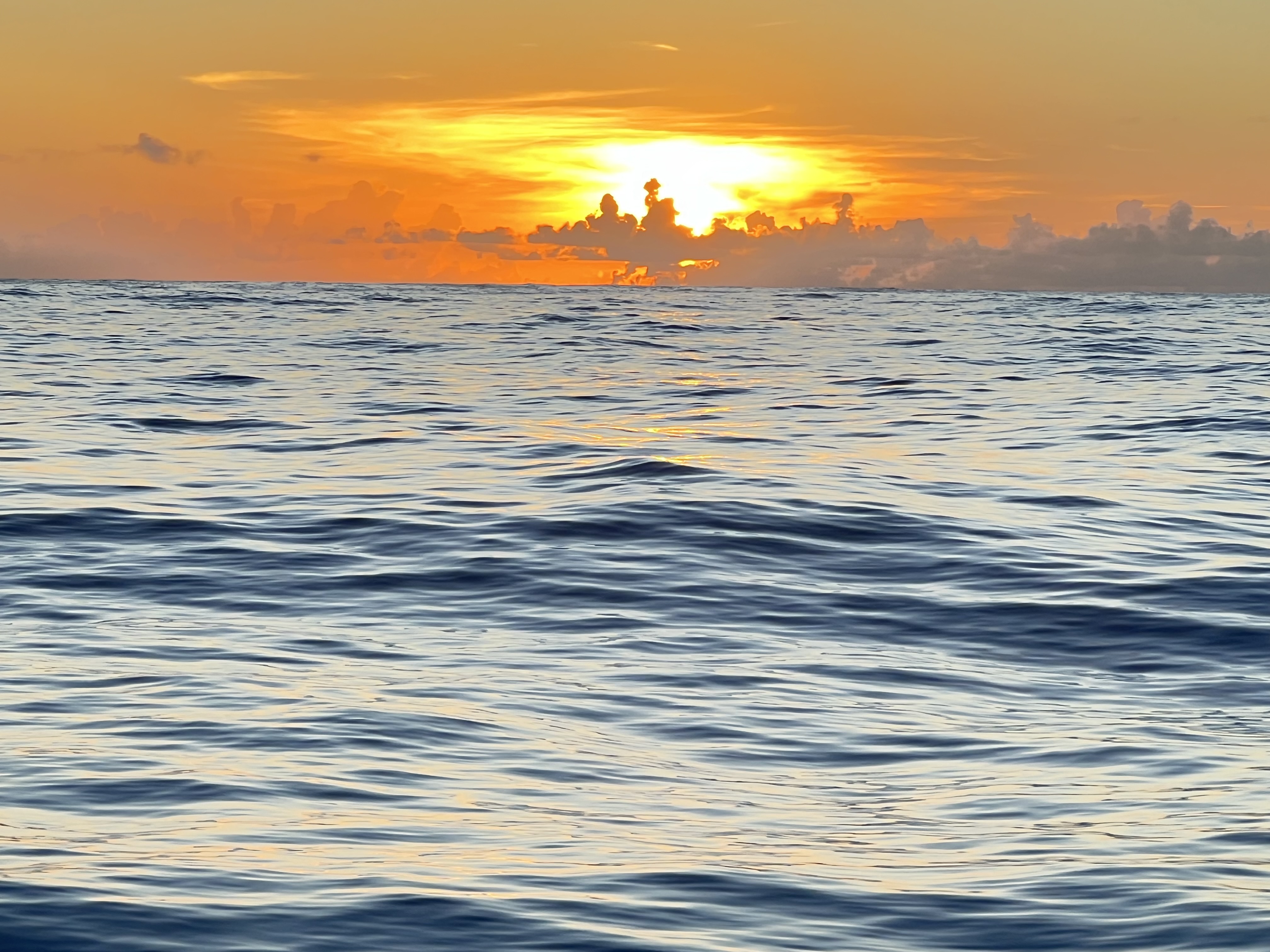
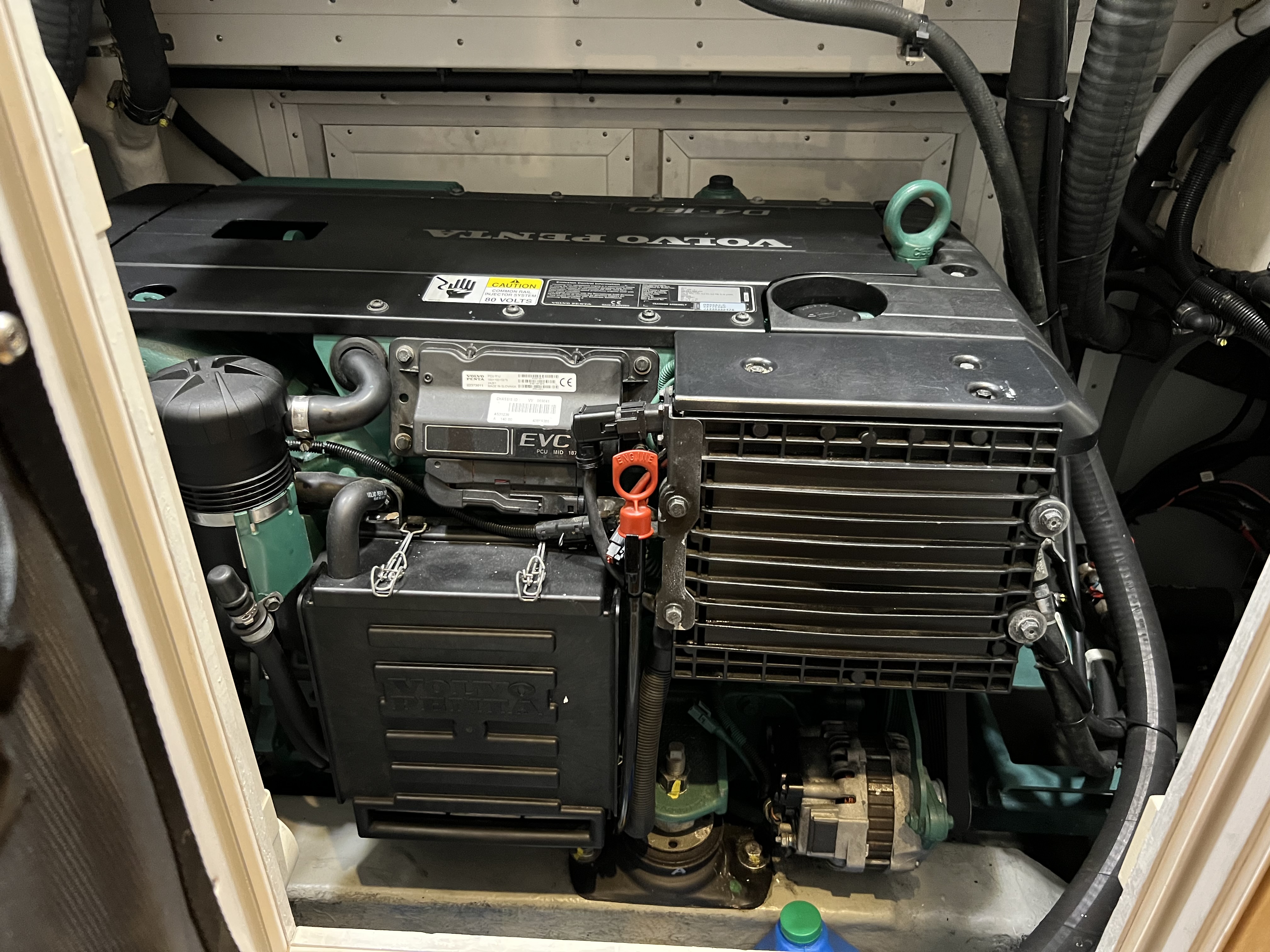
The engine was quiet, but this also generated a lot of heat in the cabin below. My bunk was next to the engine, so I ended up sleeping in the cockpit several nights. This boat is impeccable and well-organized, for example, check out the 5S tool organizer on the engine compartment door, and take a look at how clean that engine is.

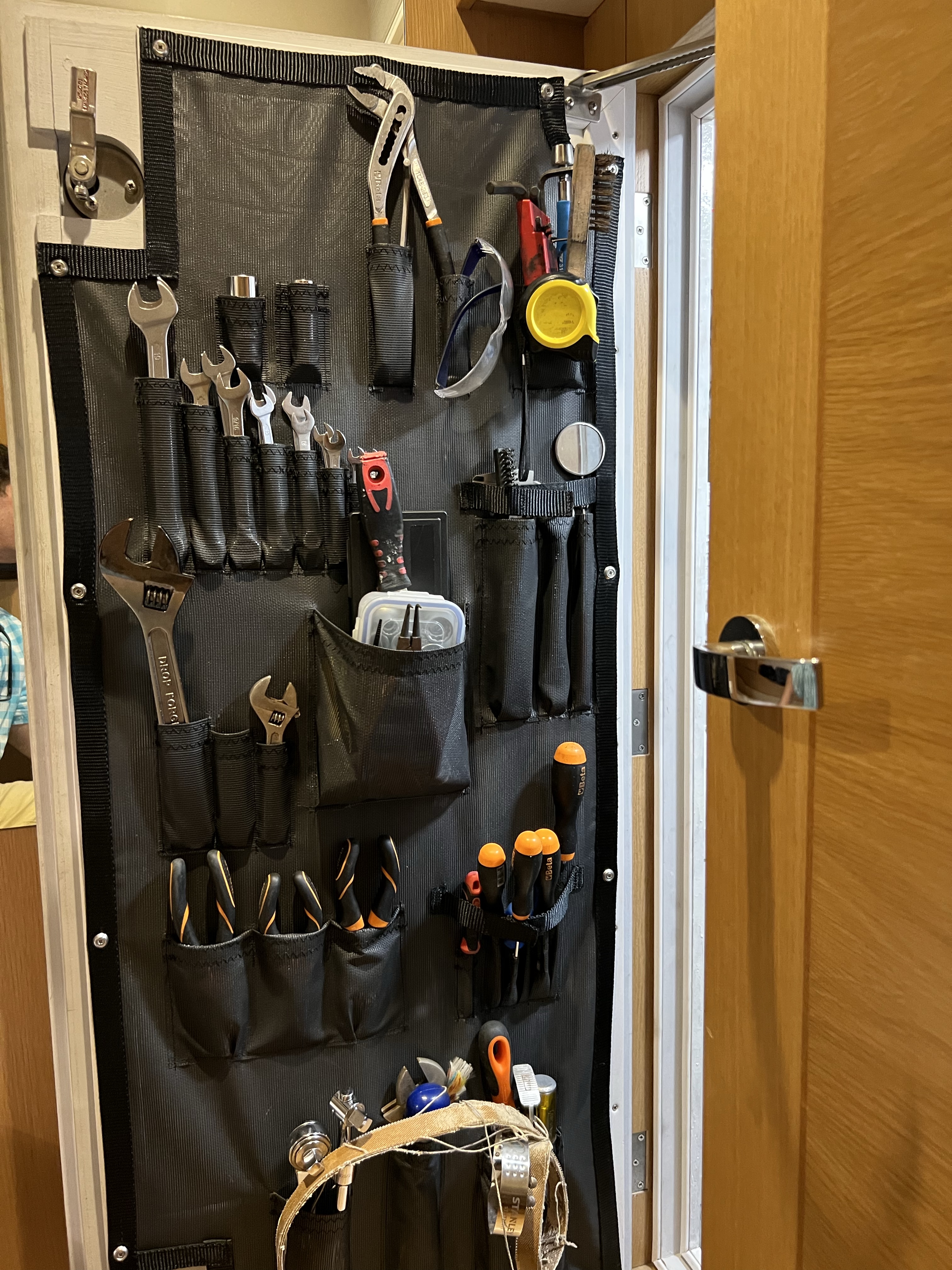
We had a really neat opportunity to have a birthday party aboard Nikitoo on this trip. The Captain really out-did himself by cooking all of the meals that day. One notable item is that he made a cheesecake with fruit on top. Wow, the bottom crumb layer was fantastic to taste after being at sea for 7 days straight.
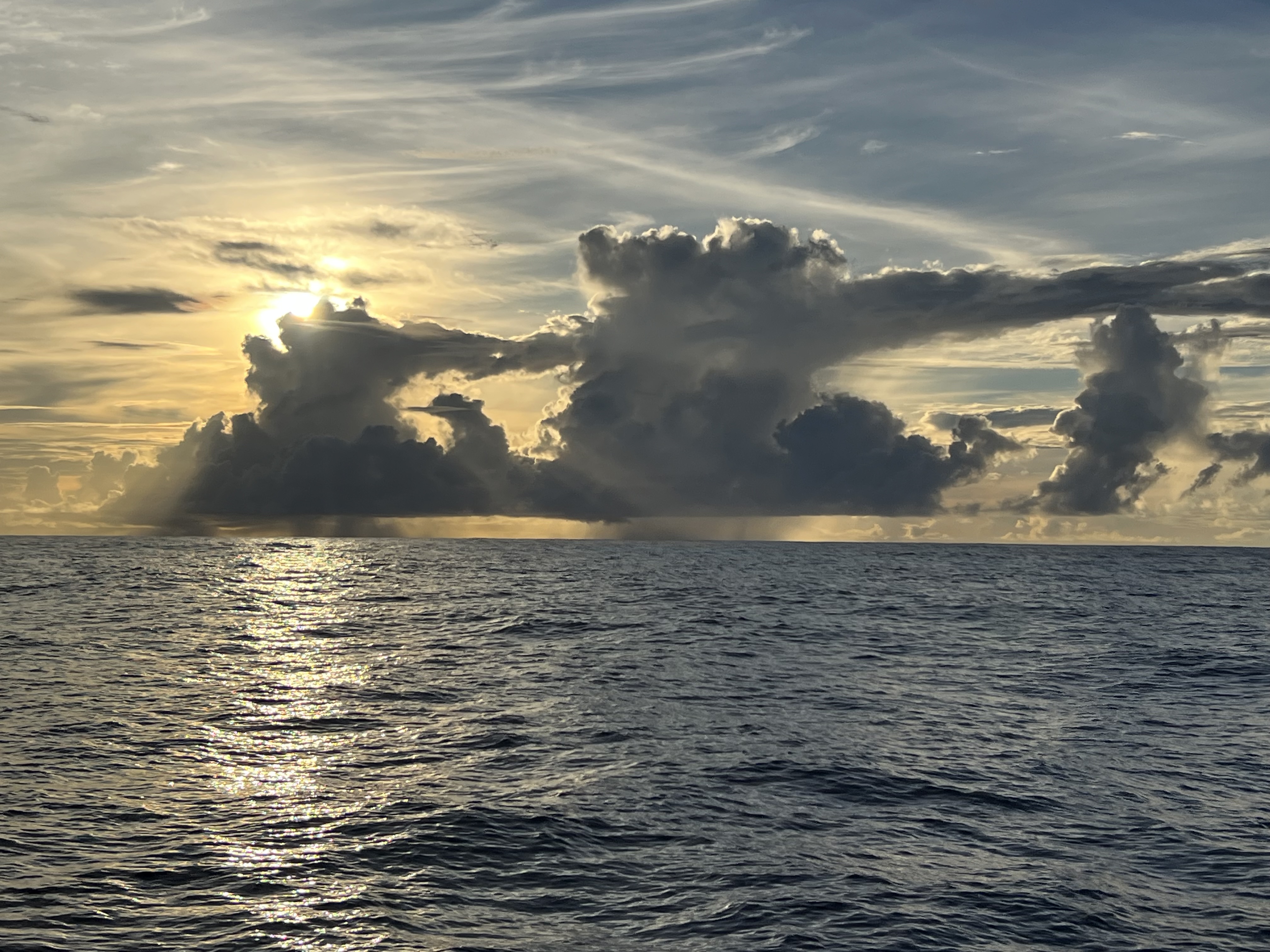
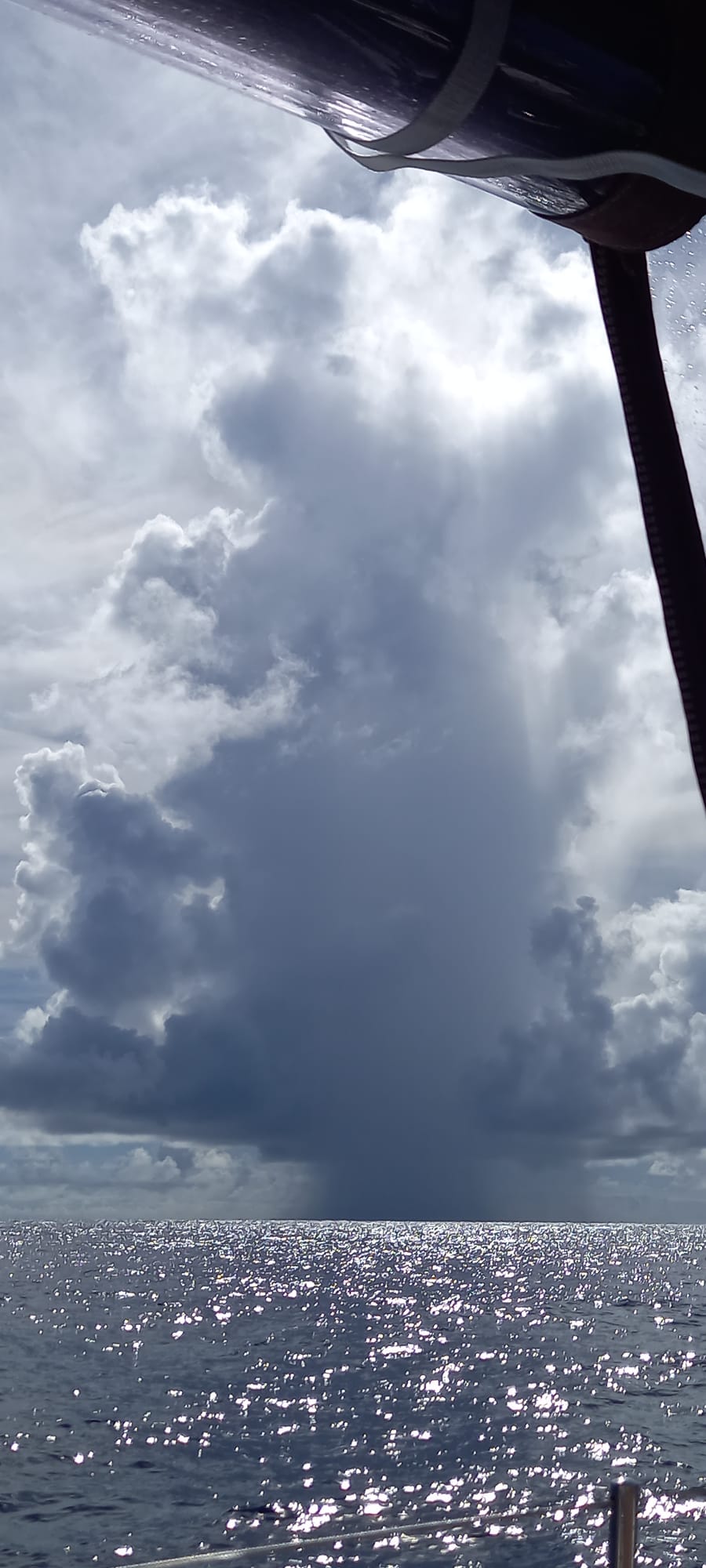
The last 1/3 of the trip we were dodging squalls as much as possible. Squalls typically build up in the afternoons with clouds forming all around, and are easily spotted with your eyes. At night, they show up on radar if there is moisture contained within them. The squalls can bring elevated winds, strong gusts, some wave action and of course, rain.
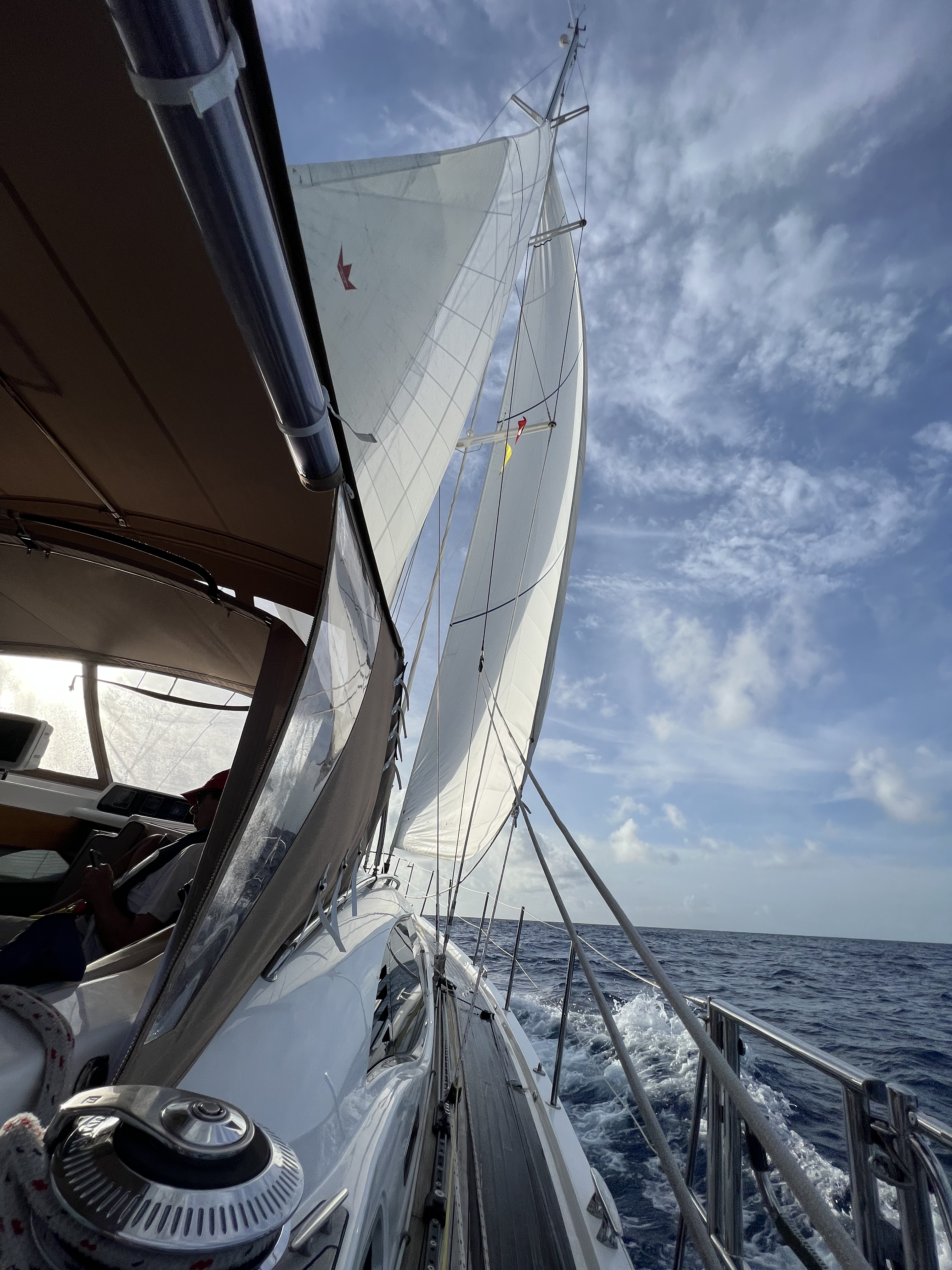
At exactly 0300 on the last day, we unfurled the genoa and the mainsail and begain our Southward bearing towards Antigua with around 100 nm to go.
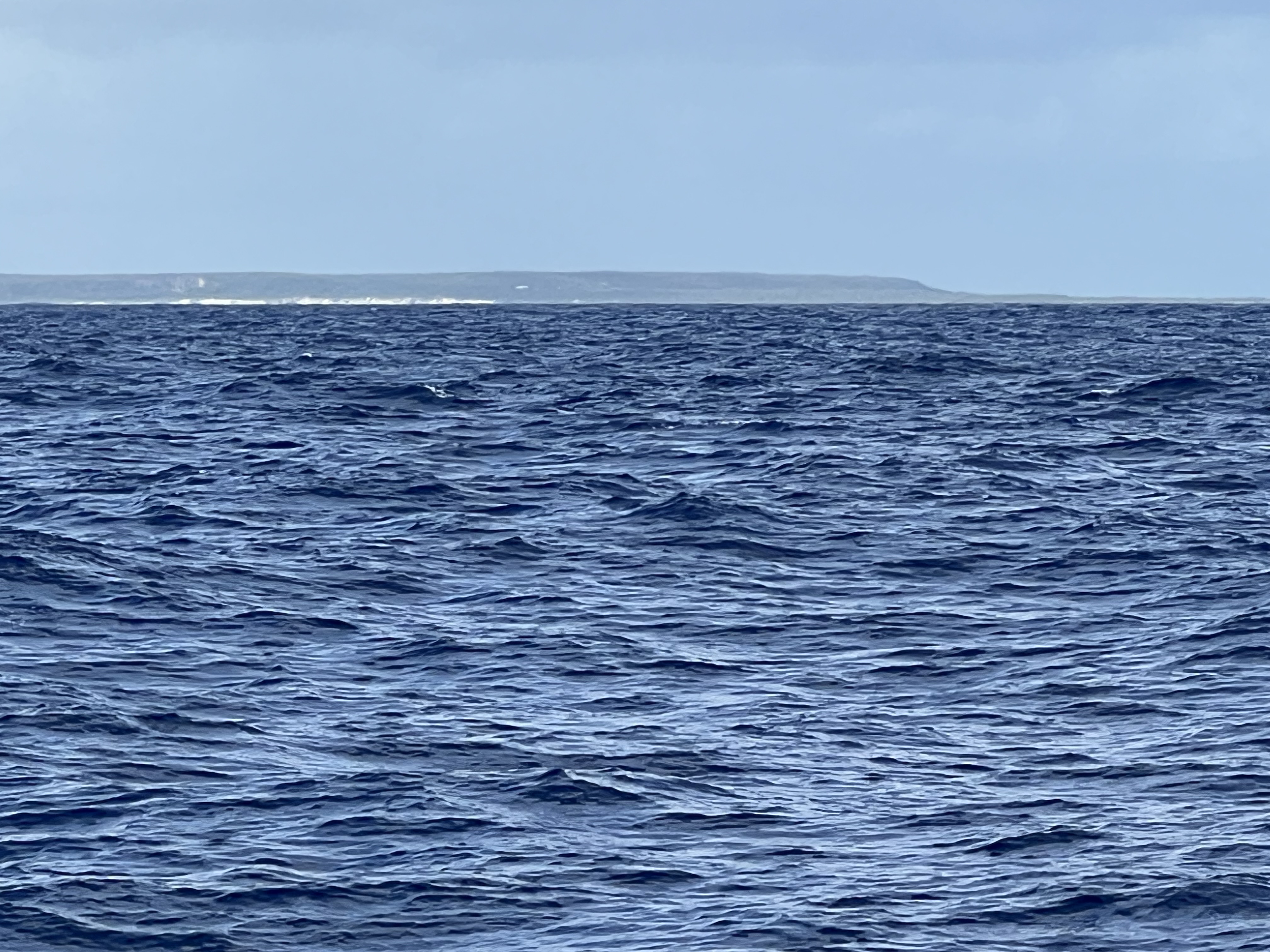
First we see Barbuda to the West of us. It was a great moment as we had been on the sea for over 9 days and have not seen land since. But, we would keep pressing forward to Antigua.
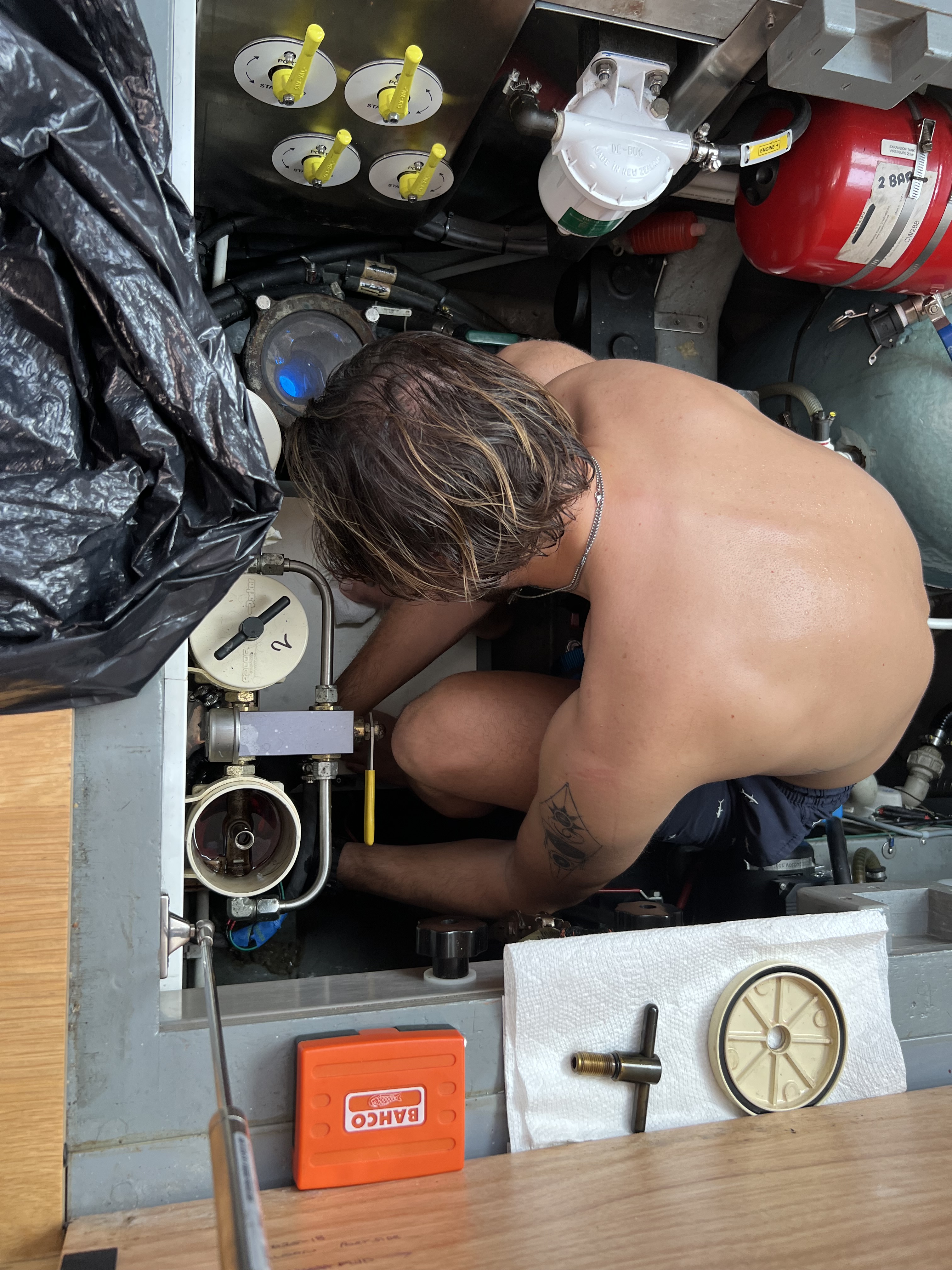
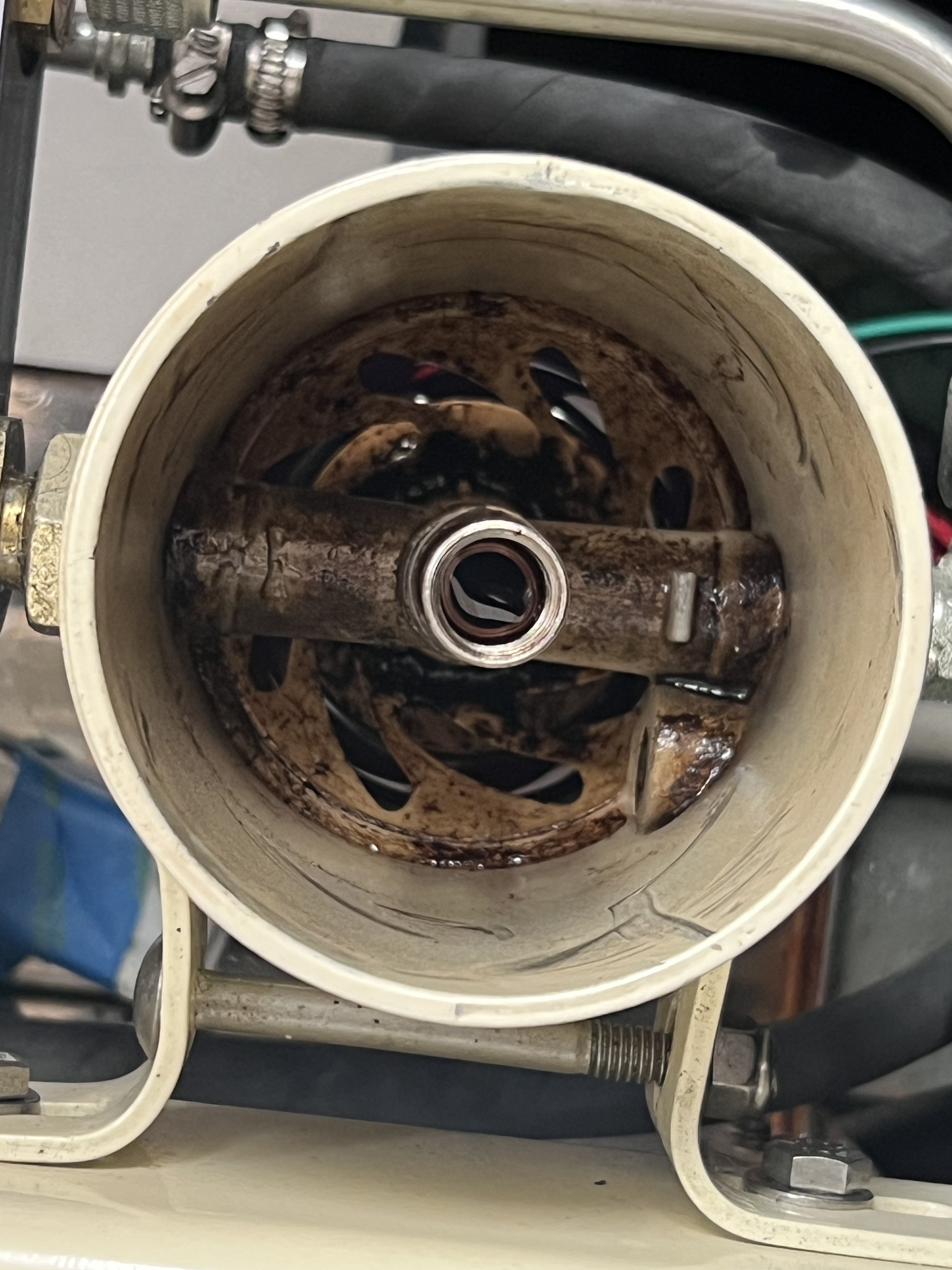
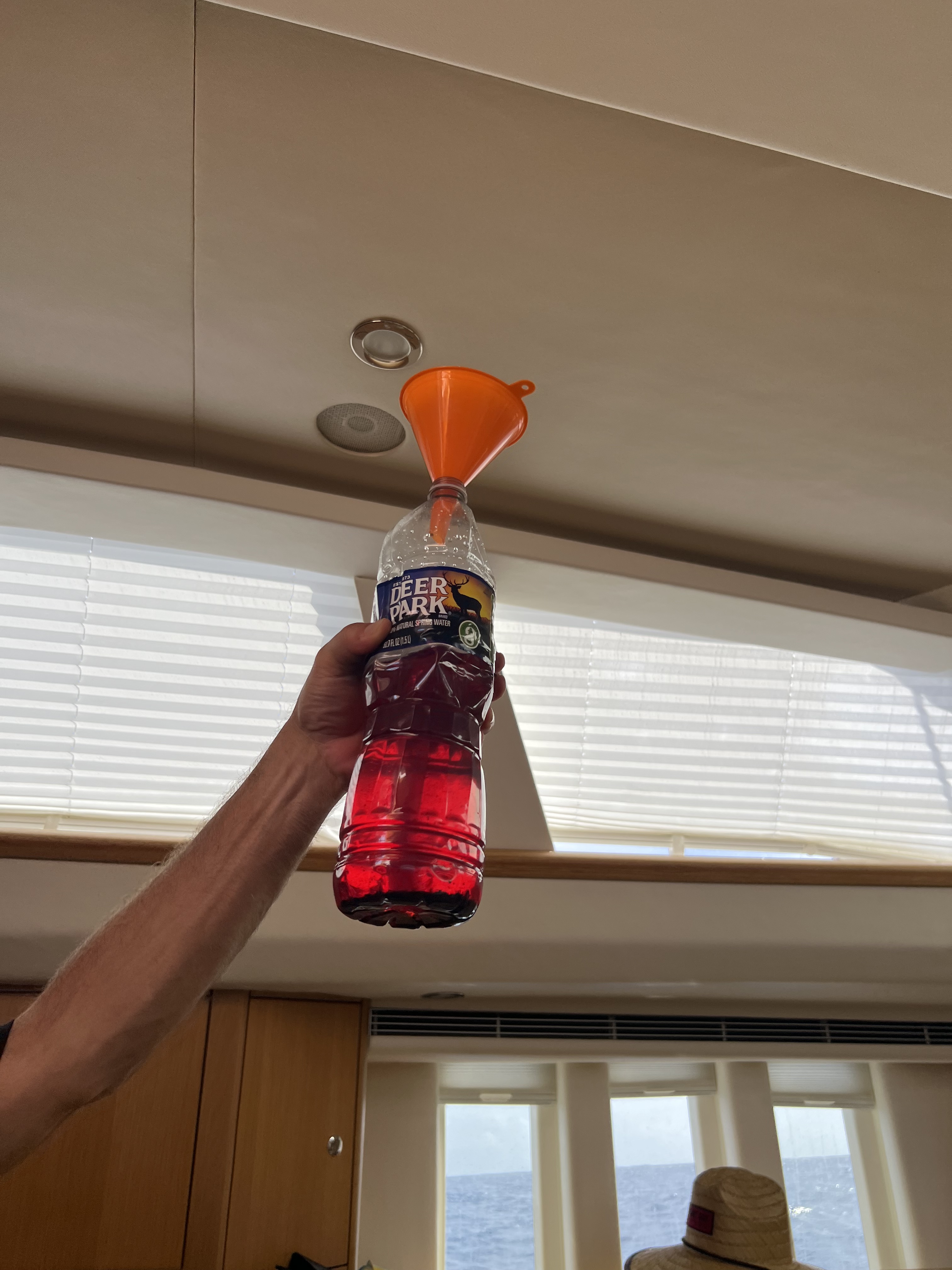
In the middle of our excitement, the engine quite working. It slowed down then sped back up, and then is stopped altogether. We immediately went into troubleshooting mode. Lucky the boat has a dual Racor diesel filter system. The primary filter plugged, and so after some hard work of troubleshooting and air bleeding, the engine was restarted. There is a lot to this story, but ultimatley, the tanks were contaminated with a biofilm and they will need to be completely drained and polished clean.
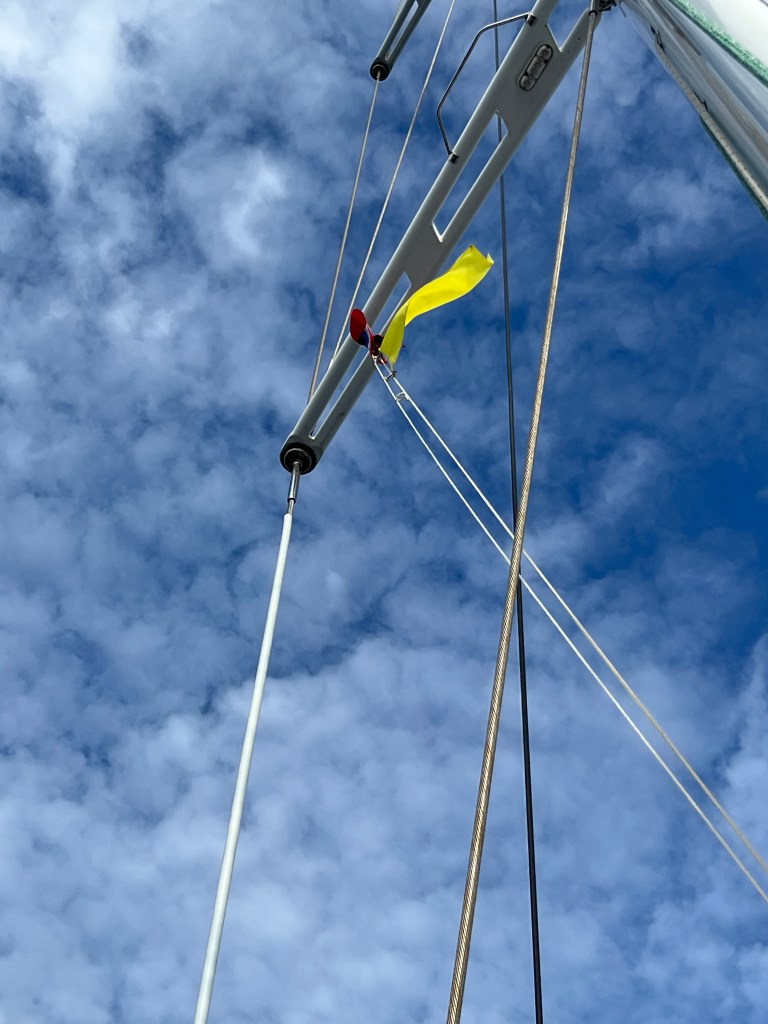
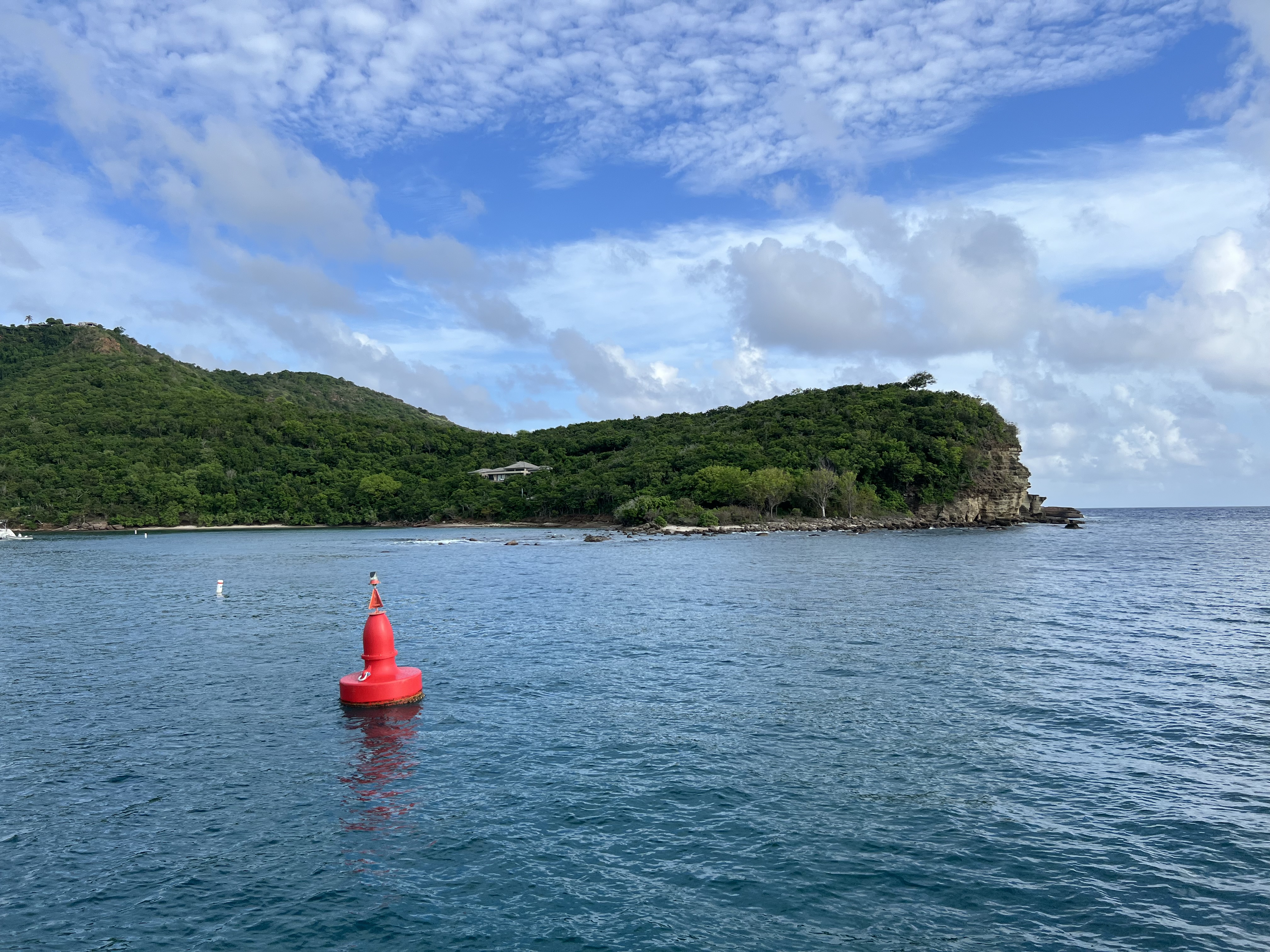
Our approach to Antigua was spectacular. Antigua has more topography and elevation/hills than Barbuda. The closer we got, the more we could see the lush green grash, trees and foilage. Captain put up the Antigua and quarantine (yellow) flags on the starboard spreader, and we were ready to make landfall.
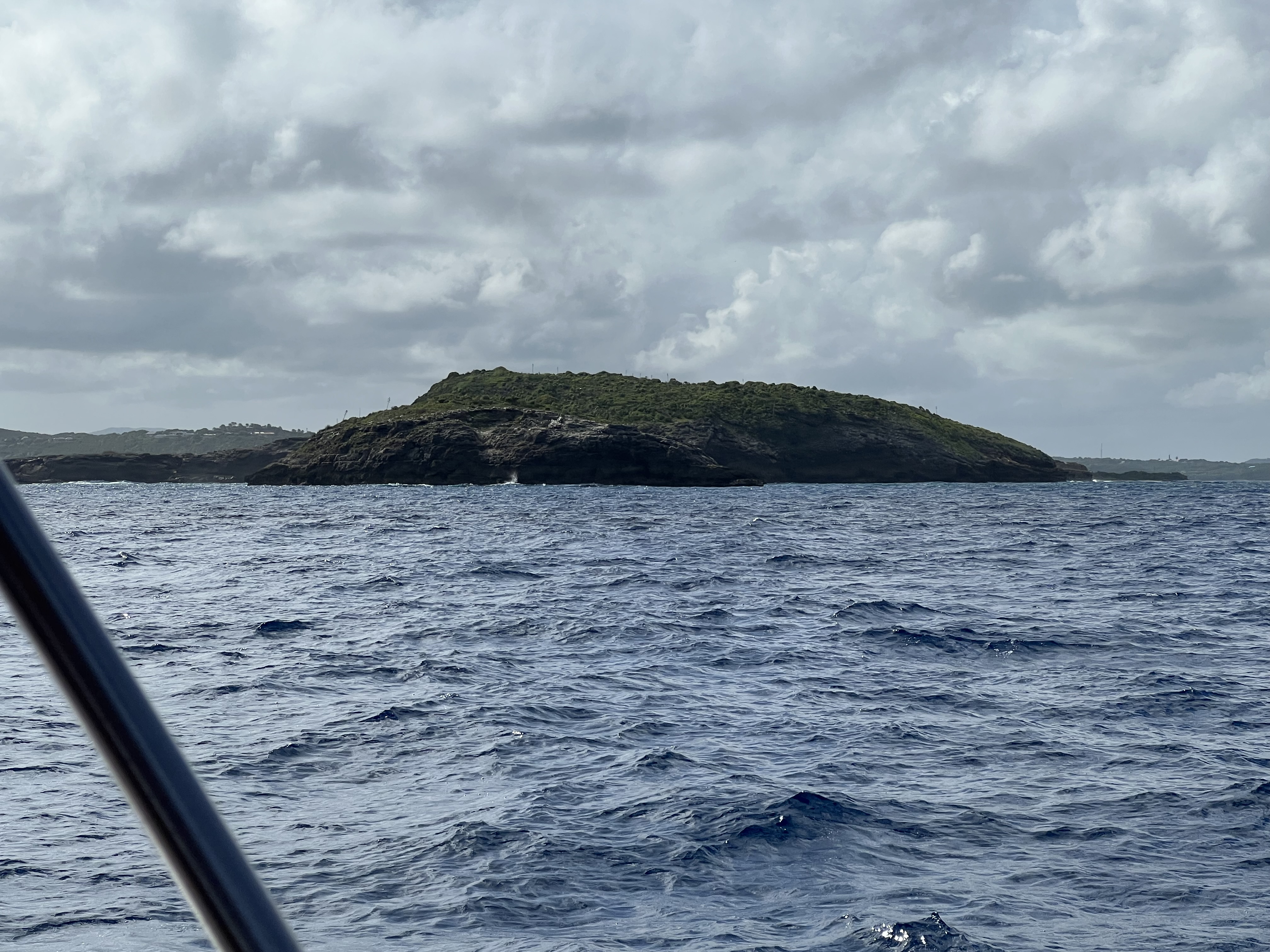
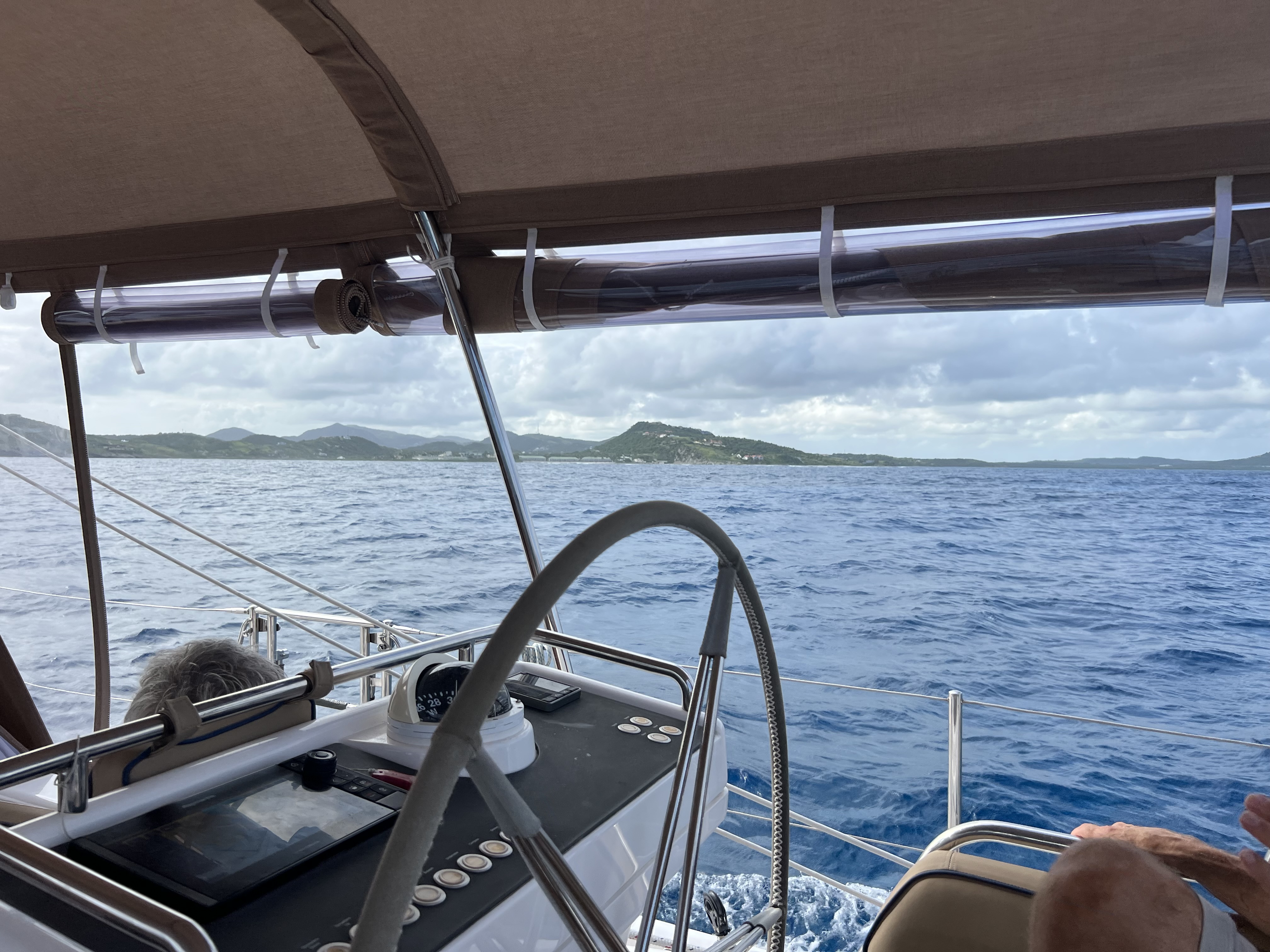
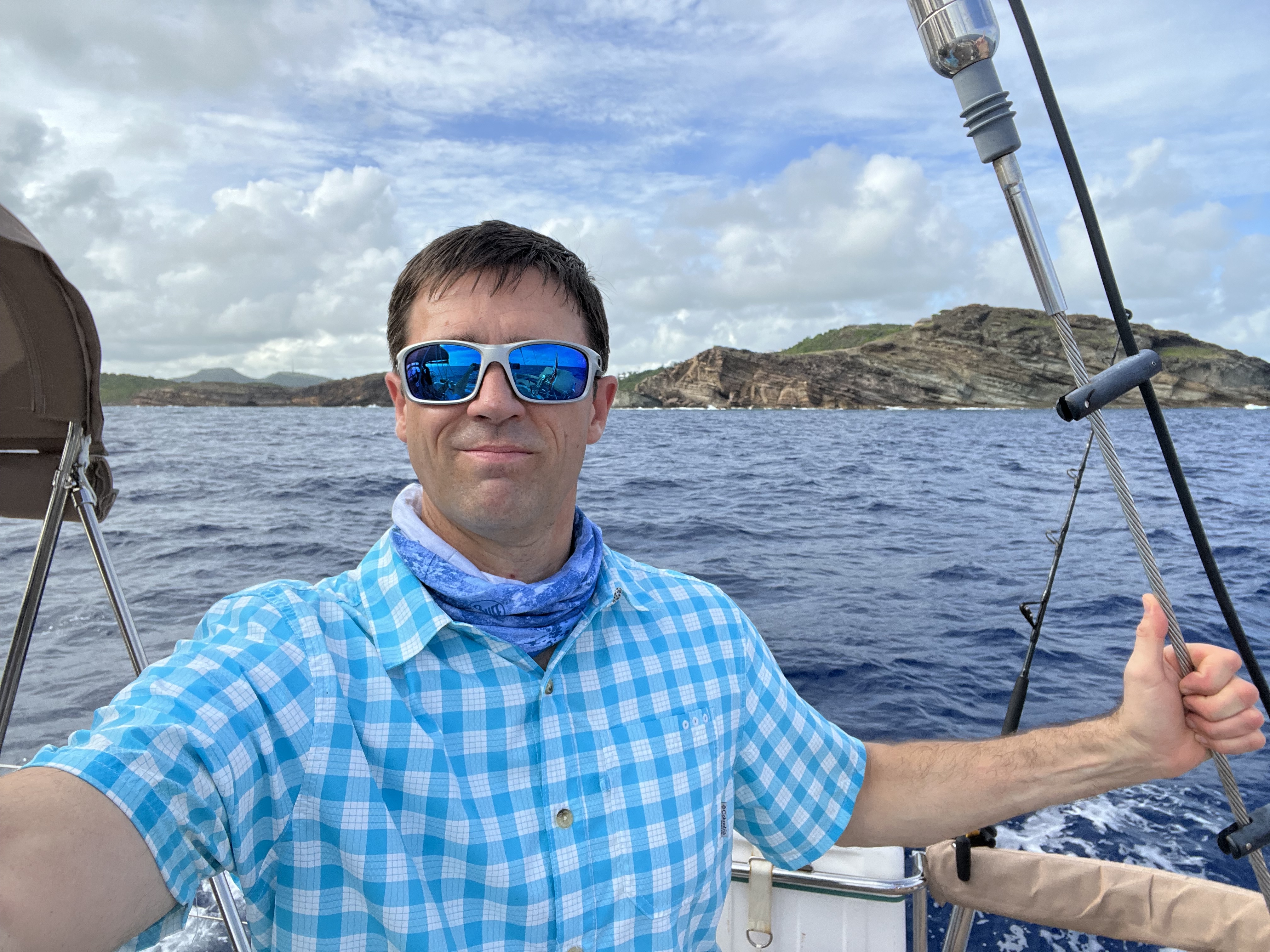
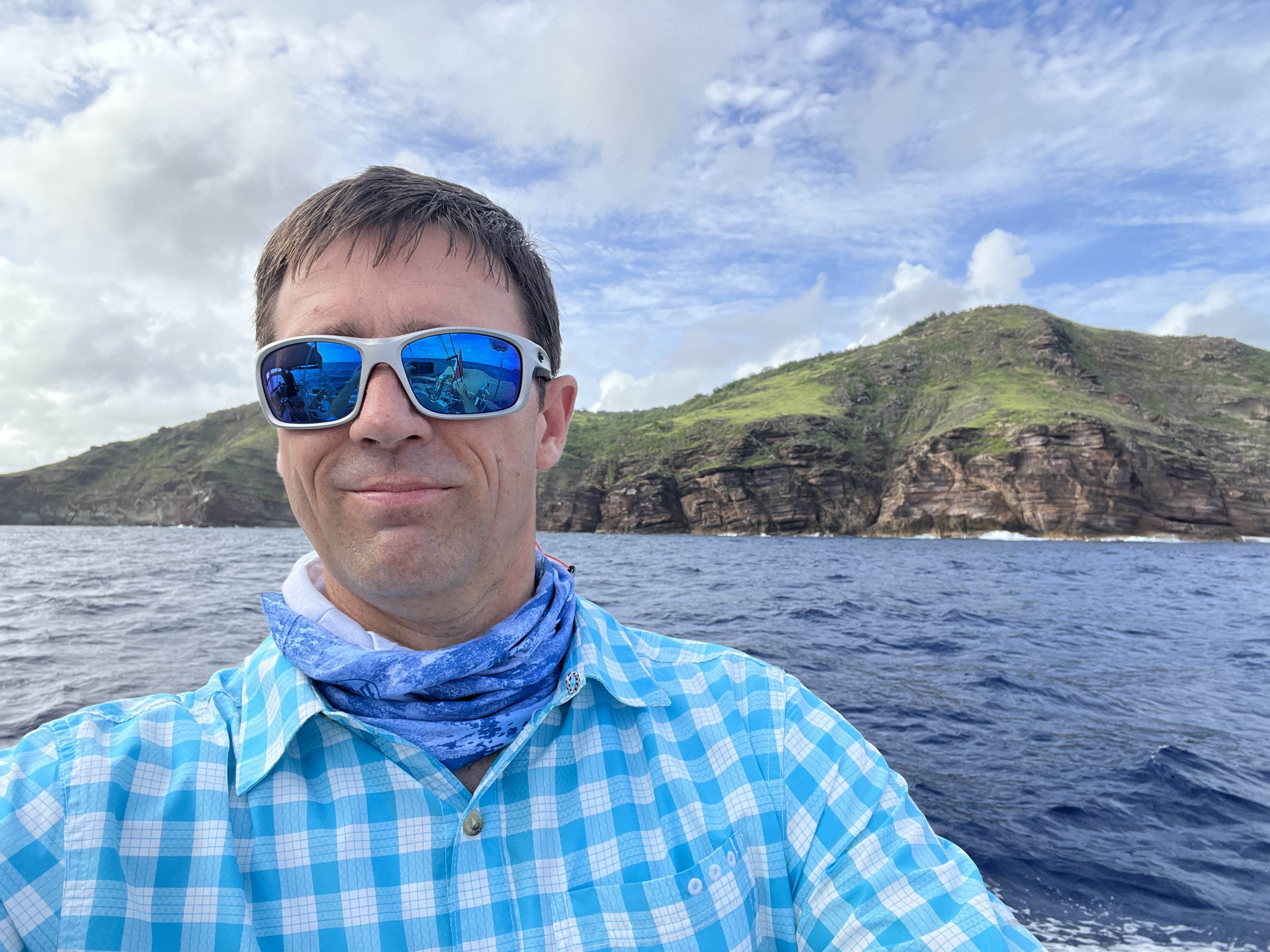
Before we knew it, we were on final approach to English Harbor. My role was anchor man, and since were were docking stern-to, it was an important role. We got the fenders out, and Captain navigated us right into the center of the channel.
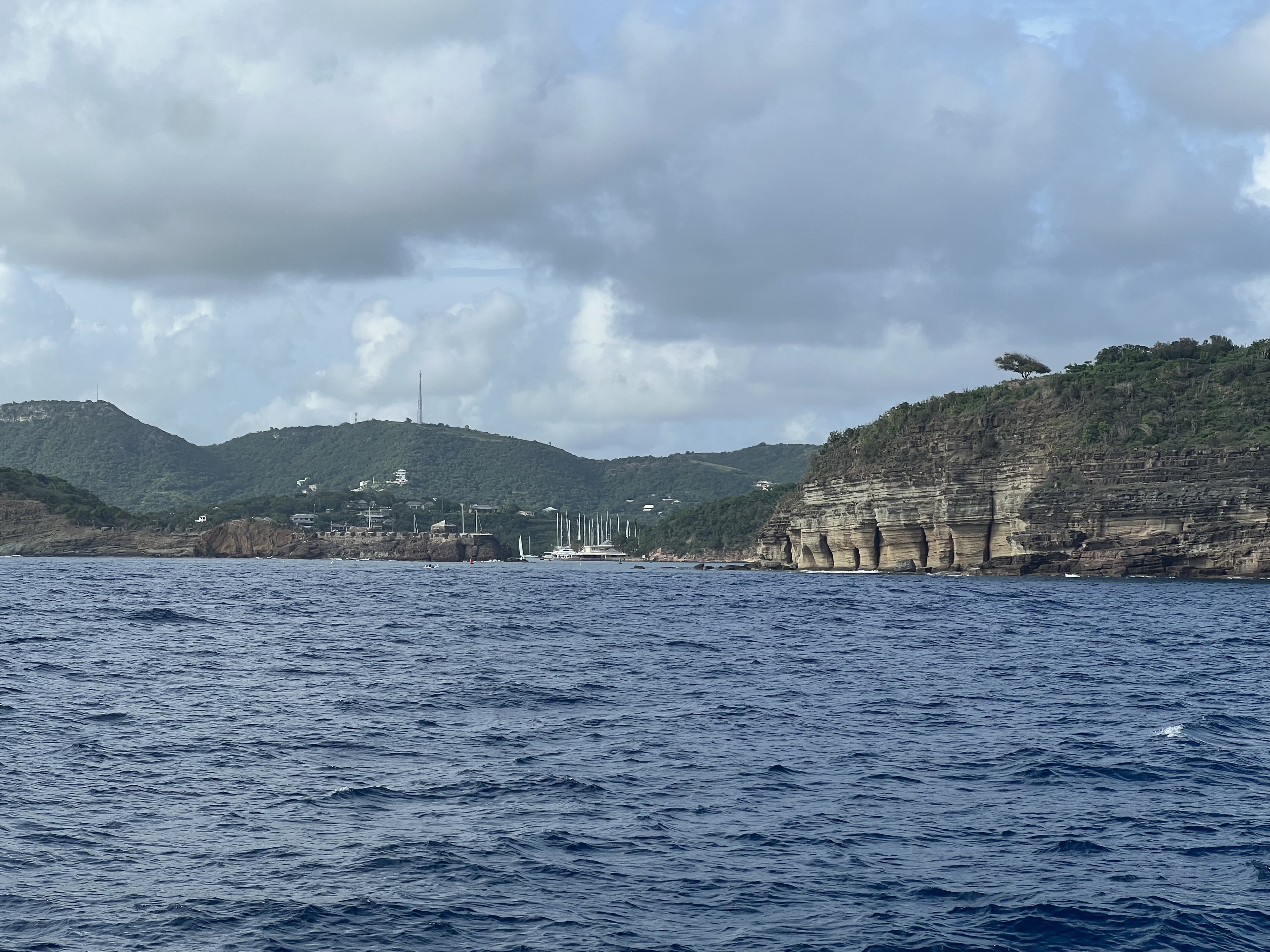
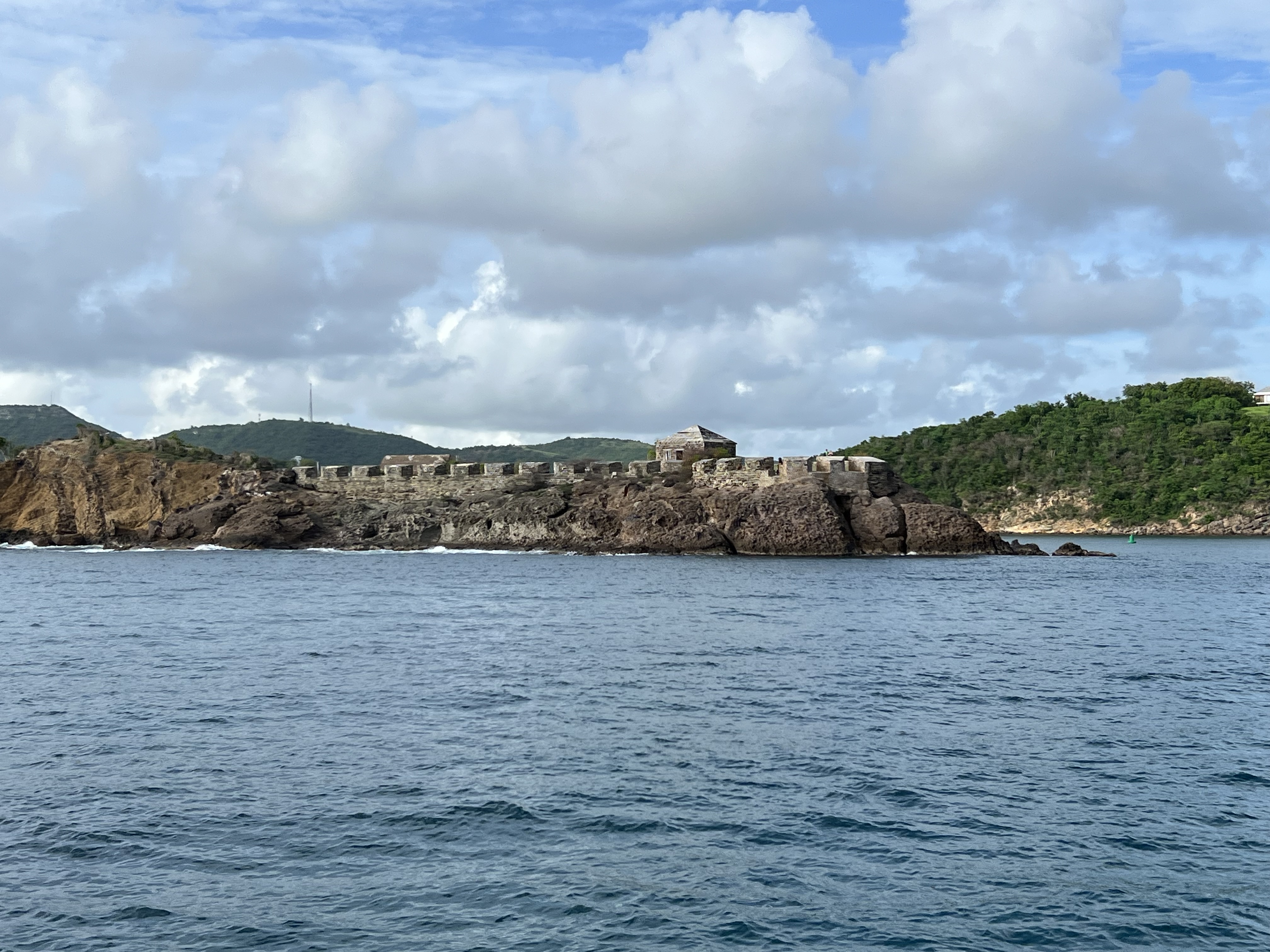
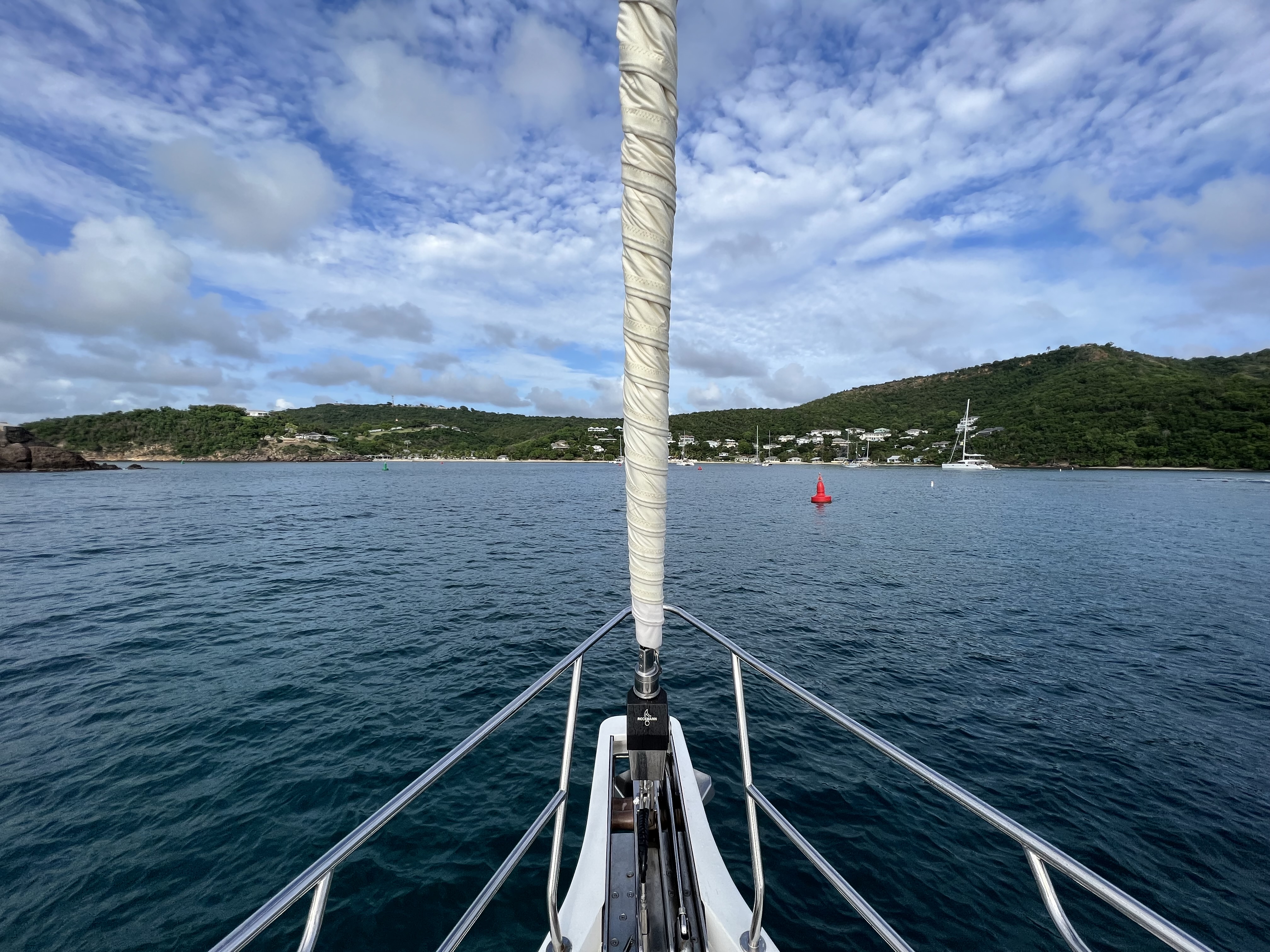
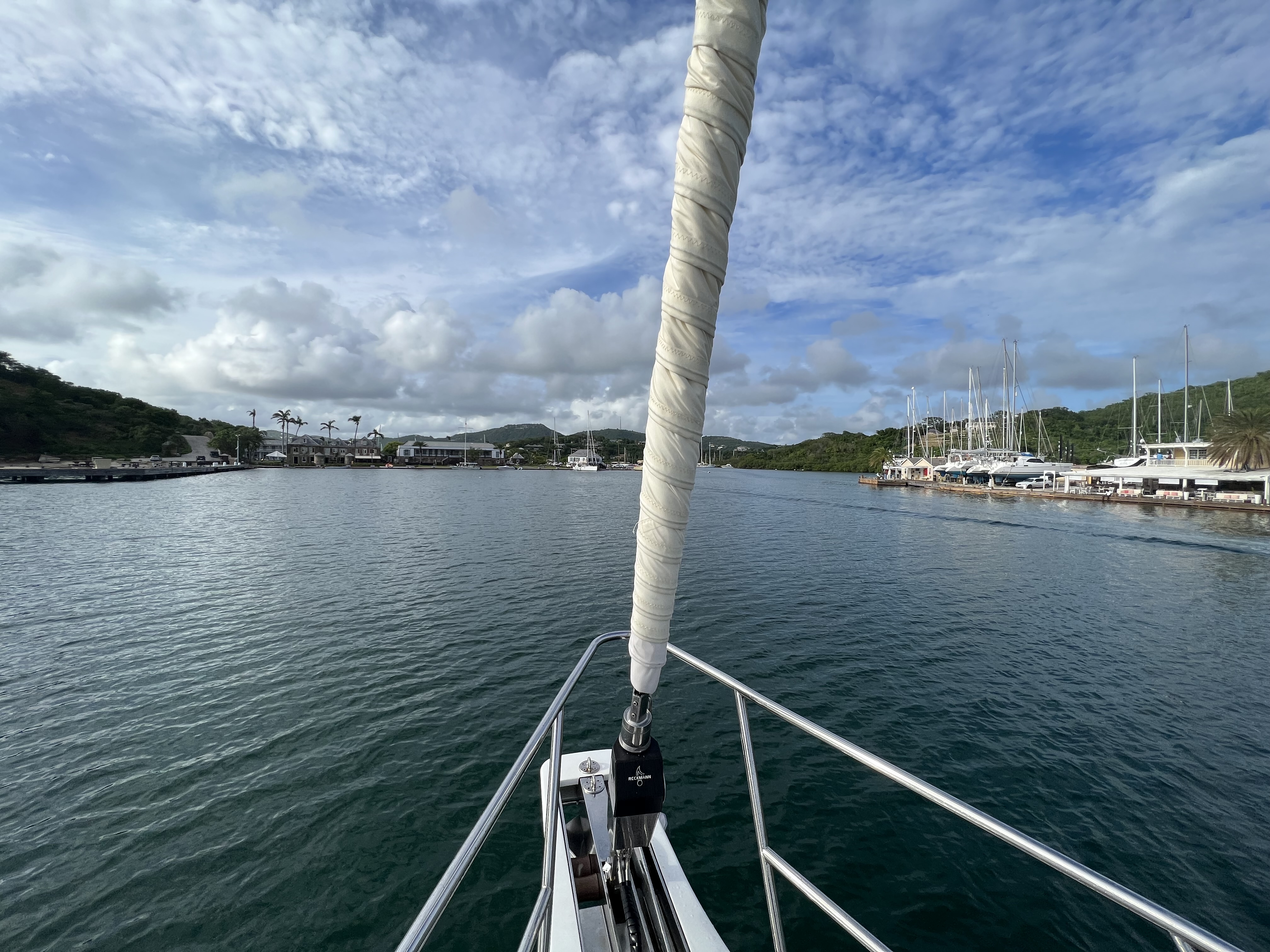
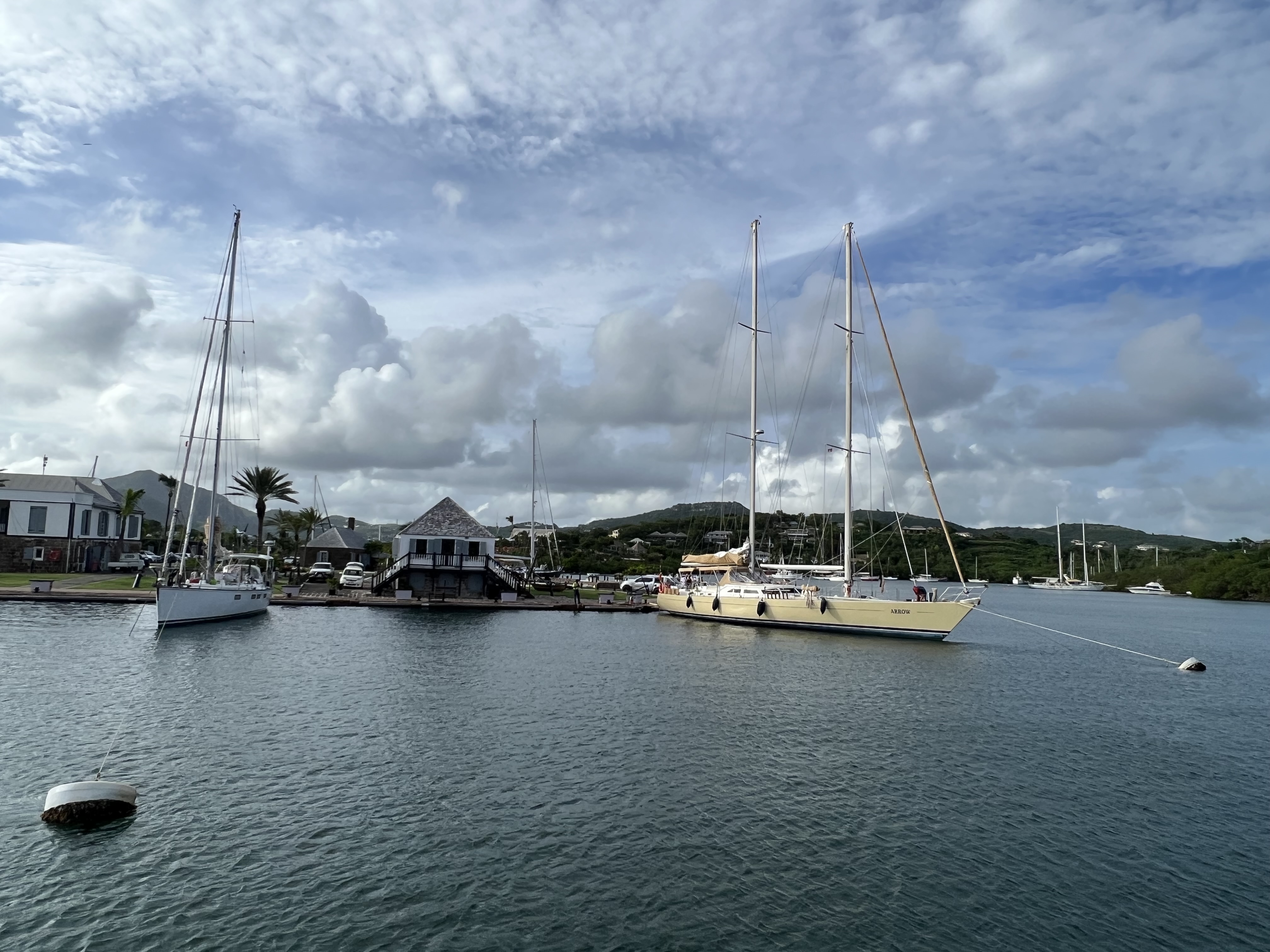
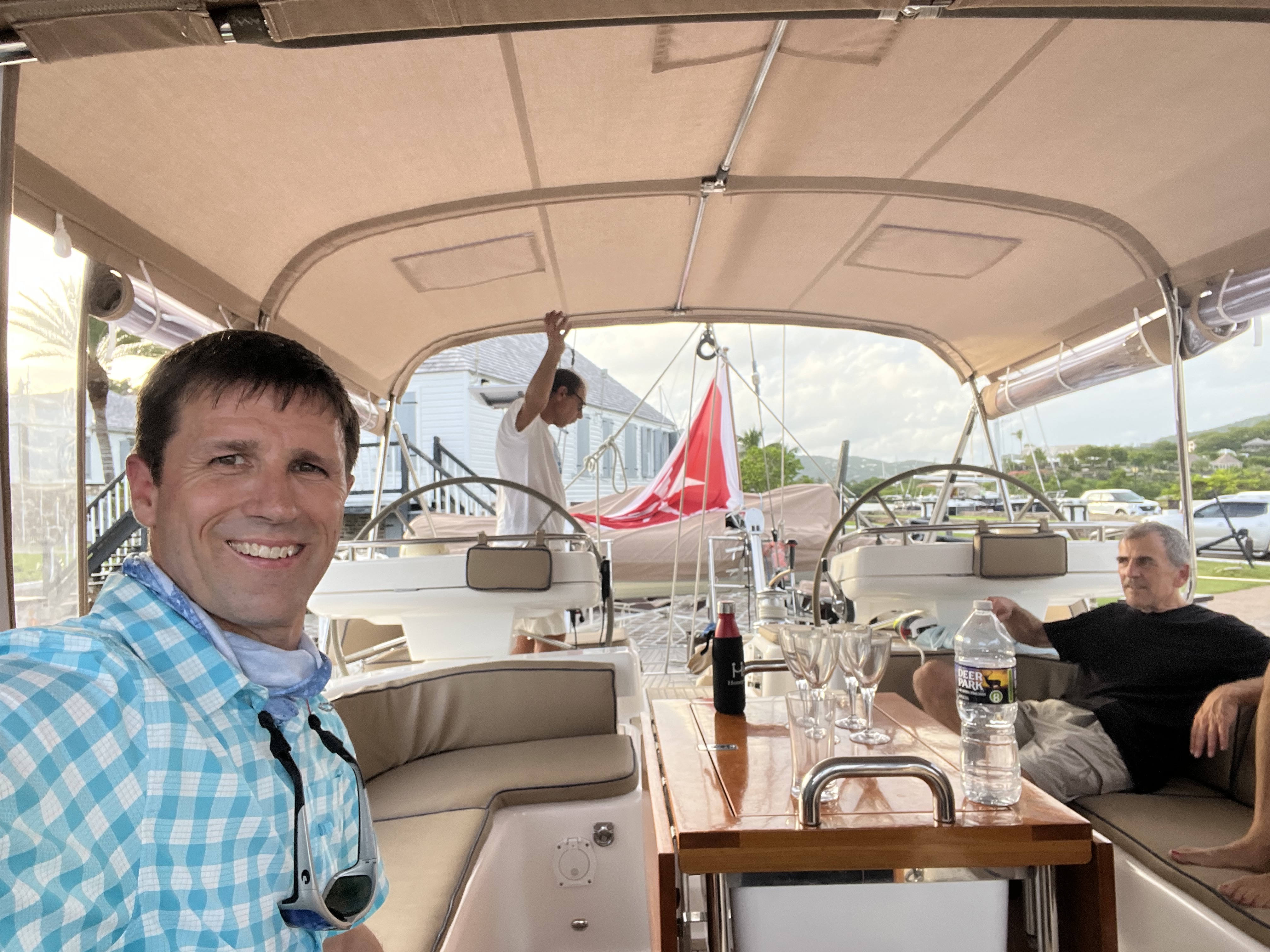
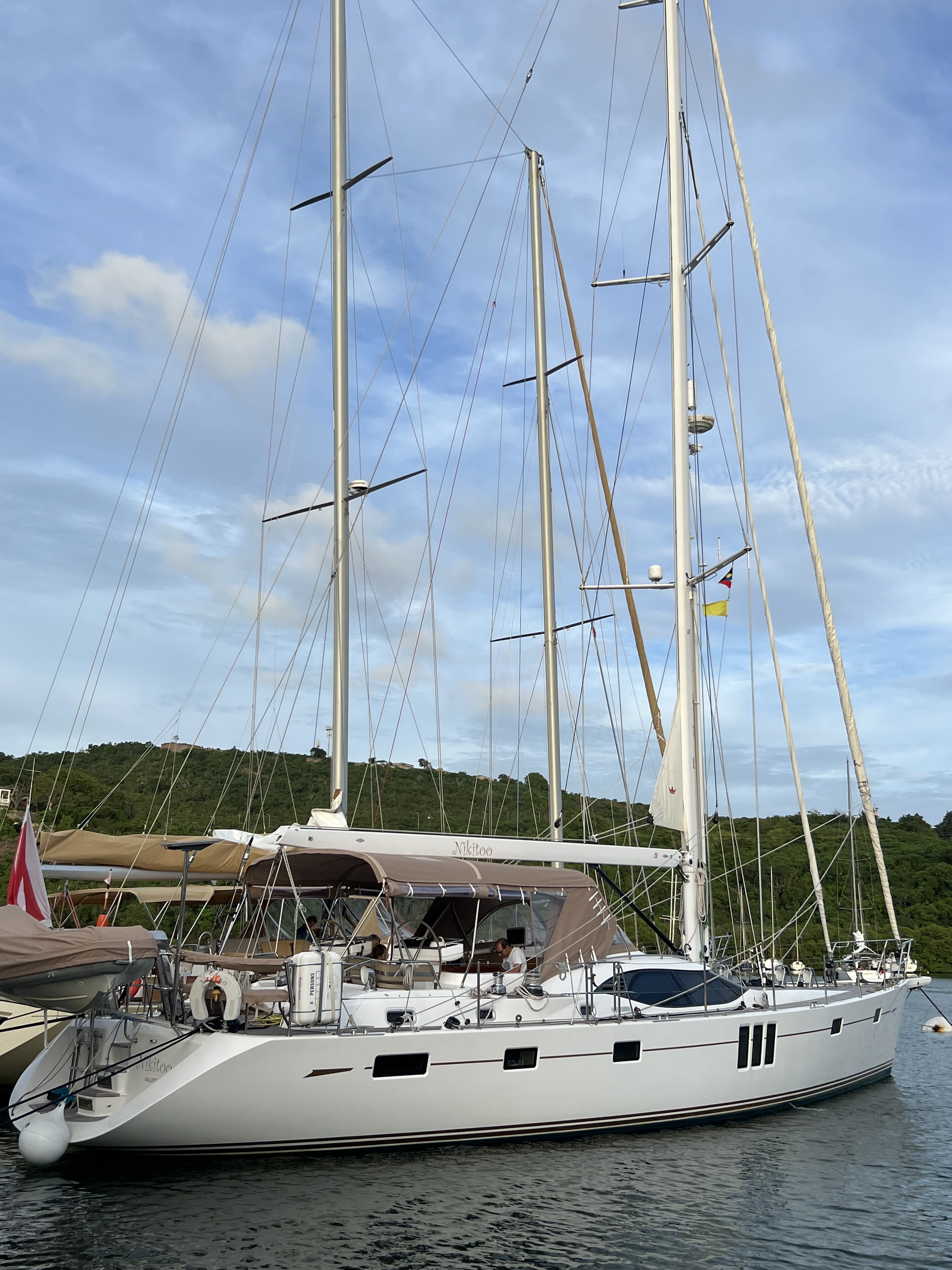
Within 20 minutes of tying the docklines and setting the anchor, we all sat in the cockpit quietly. Words couldn’t describe how we felt, but the stress and the anxiety just melted away minute-by-minute. We accomplished a major feat with a crew that has never before met or sailed together. It was time for a celebration, and that would come the next day. We went 1600 nm in 9 days 9 hours and 9 minutes and moved at an average speed of 7.2 knots.
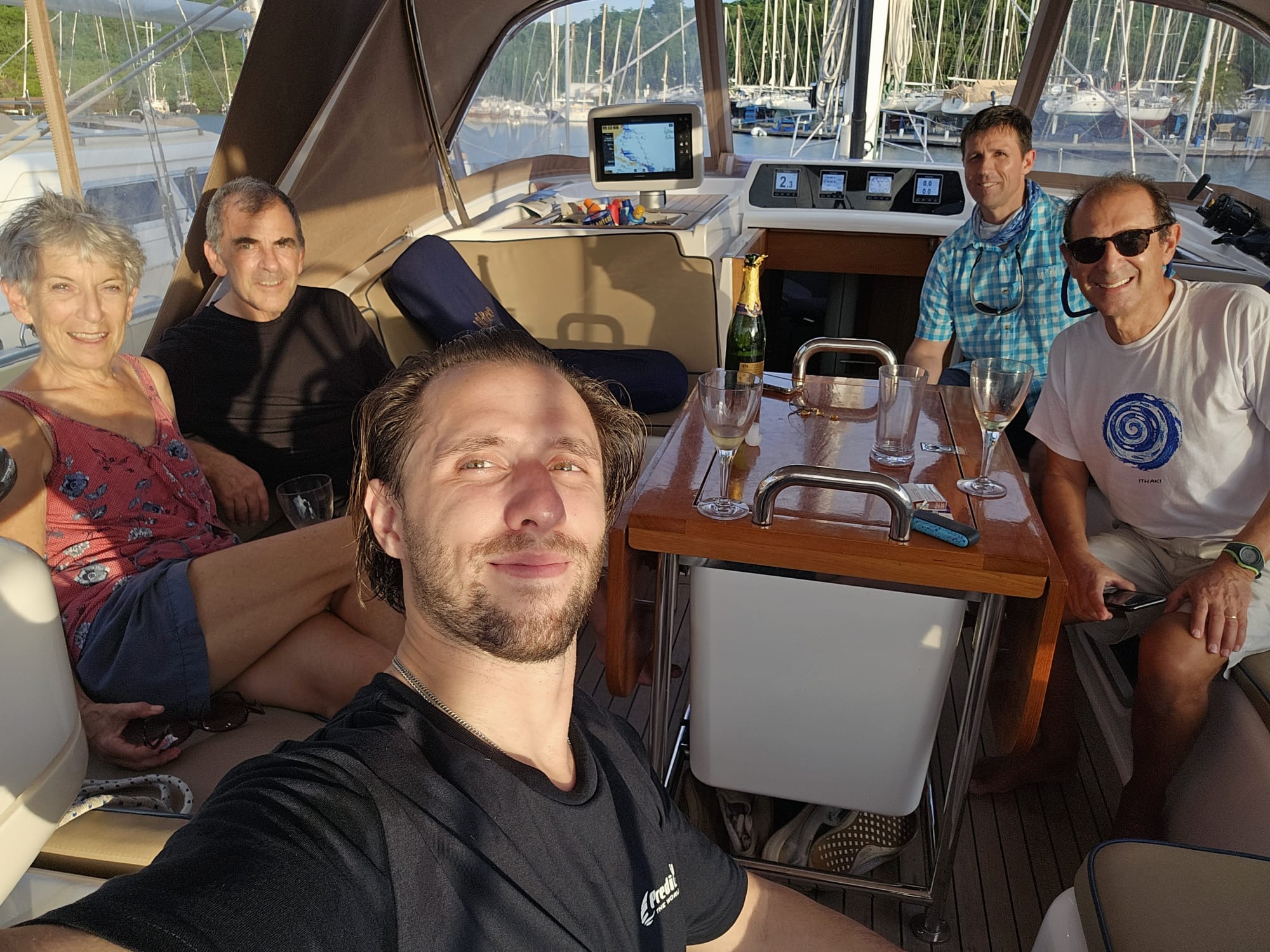
For now…we were just happy to be on land and have a burger at The Galley Bar.
 The Loxodograph